
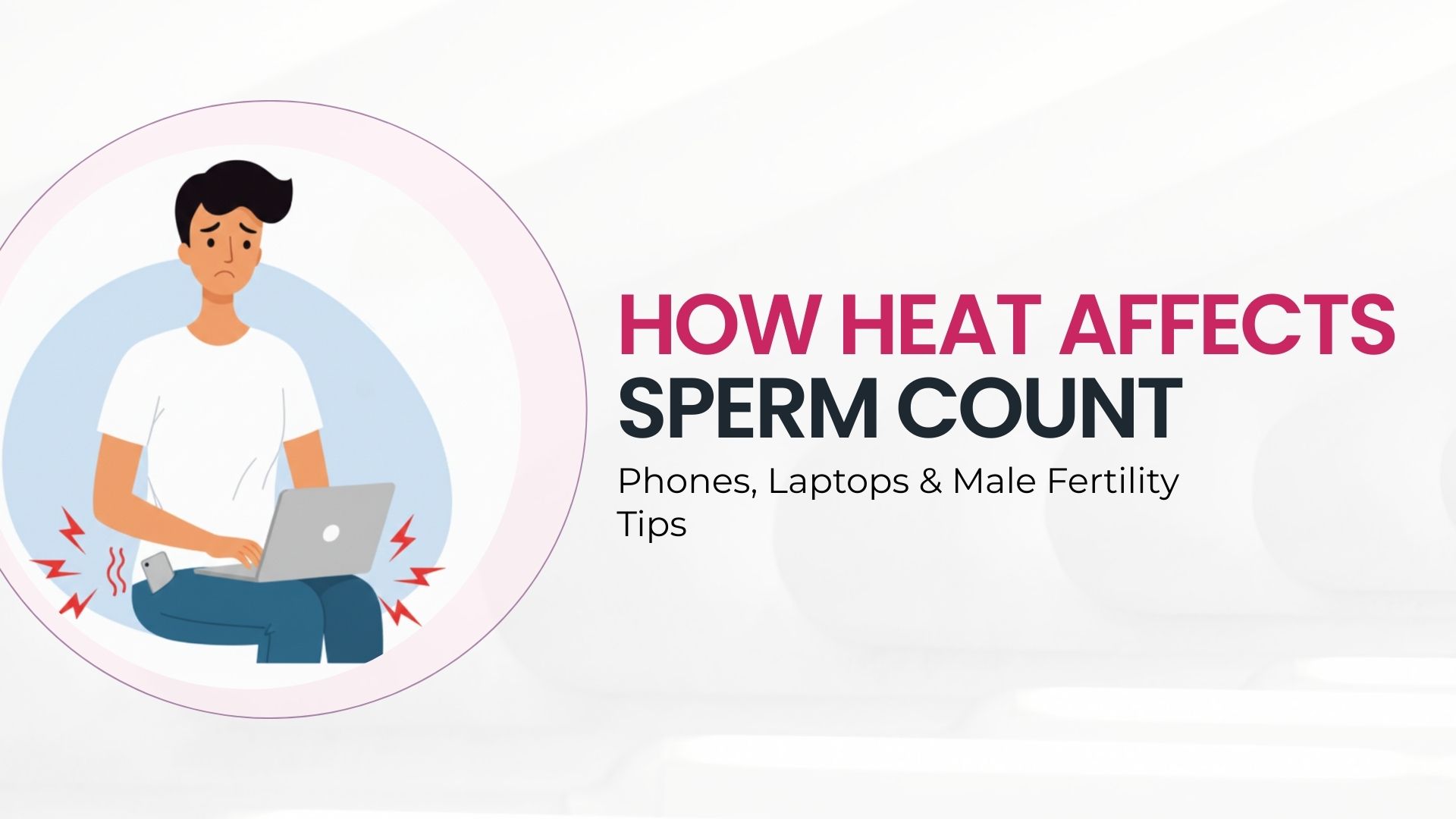
Heat is a hidden threat to male fertility. Daily habits, like keeping your phone in a pocket or using a laptop on your lap, raise scrotal temperature. High heat reduces sperm count and motility, impacting conception chances. Understanding how heat affects fertility can protect your reproductive health. This guide shares practical tips and scientific insights.
Why Temperature Matters for Male Fertility
The testicles are outside the body for a reason—they stay 2–3°C cooler than core body temperature. This cooler environment is crucial for sperm production. Excess heat leads to:
- Low sperm count
- Poor sperm motility
- Sperm DNA damage (fragmentation)
Even short-term heat, like hot baths or tight clothing, can cause scrotal hyperthermia. Men often ignore this daily, increasing infertility risk.
Tip: Wear loose, breathable underwear and avoid long hot baths to protect your reproductive system.
How Laptops and Phones Impact Sperm Health
Laptops: Placing a laptop on your lap exposes your groin to intense heat. Studies show just 30 minutes of laptop use can raise scrotal temperature significantly, reducing sperm concentration and motility.
- Use a hard desk or cooling pad.
- Take breaks every 20–30 minutes.
- Keep the room ventilated.
Phones: Many men carry phones in front pockets. Phones emit electromagnetic radiation and heat. This can lower sperm morphology, making sperm less likely to fertilize an egg.
- Keep phones in your back pocket or on a table.
- Use speakerphone or Bluetooth for long calls.
Internal Link Suggestion: Link “sperm morphology” to your clinic page on Male Fertility Evaluation.
Hidden Heat Sources in Daily Life
Daily activities can trap heat near the groin:
- Prolonged sitting: Drivers and office workers face chronic scrotal heat stress. Stand up, walk, or use a chair with mesh seating.
- Hot tubs and saunas: High water temperature temporarily stops sperm production. Sperm takes ~74 days to mature, so avoid prolonged heat exposure.
- Bicycling: Pressure and friction increase local heat. Use gel seats and padded shorts for long rides.
Small changes in daily habits yield significant fertility benefits.
Clothing Choices and Cooling Tips
Tight underwear and synthetic fabrics trap heat. Cotton boxers are ideal for airflow and comfort.
- Sleep without underwear to cool the area.
- Avoid skinny jeans daily.
- Wear breathable sportswear during exercise.
Exercise Tip: High-intensity workouts can raise body temperature. Take cool showers afterward to protect sperm quality.
Internal Link Suggestion: Link “exercise tips for male fertility” to a blog or service page about Lifestyle Changes for Male Fertility.
How Heat Affects Sperm Quality
Heat harms sperm in multiple ways:
- Reduces motility: Sperm struggle to reach the egg.
- Oxidative stress: Free radicals damage sperm DNA.
- Apoptosis: High temperatures kill sperm cells.
Consequences include lower semen analysis scores, higher miscarriage risk, and potential birth defects. Protecting sperm is a long-term investment in reproductive health.
Symptoms of Heat Stress and Varicocele Risks
Symptoms may be subtle:
- Dull ache in groin
- Heavy feeling in testicles
- Low sperm count detected via semen analysis
A varicocele (enlarged vein) worsens heat exposure, acting like a broken radiator. Reducing external heat eases pressure and supports recovery.
Internal Link Suggestion: Link “varicocele” to your Varicocele Treatment page.
Practical Steps to Stay Cool
- Workspace: Use standing desks or mesh chairs. Avoid foam and leather seats.
- Diet: Eat antioxidants (Vitamins C, E, Zinc) to fight oxidative stress.
- Tech habits: Avoid laptops on laps, phones in pockets, and sunlight on devices.
- Exercise: Avoid heavy plastic sweat suits; take cool showers.
- Sleep: Keep bedrooms cool and ventilated.
Long-Term Impacts and Recovery
Chronic heat can cause permanent sperm damage, sometimes leading to azoospermia (zero sperm count).
Recovery: Sperm can recover in 3 months if heat exposure is reduced.
- Monitor progress with semen analysis every 3 months.
- Identify hidden heat sources (car seat heaters, warm electronics).
- Consistency is key for long-term fertility success.
Environmental and Workplace Heat Factors
External heat sources affect fertility:
- Global warming: High temperatures may reduce regional fertility.
- Workplace hazards: Bakers, welders, and glass blowers are at higher risk.
- Use heat-resistant, breathable gear.
- Take breaks in cool environments.
Modern Solutions for Men
- Cooling underwear: Wicks away heat; some allow ice packs.
- Apps: Remind you to move and reduce sitting.
- Consult specialists: Early evaluation helps prevent long-term damage.
Conclusion
Heat is a serious, often overlooked factor affecting male fertility. Daily habits, clothing, tech usage, and environmental exposure matter. By adopting simple cooling strategies, improving diet, and avoiding prolonged heat, men can significantly improve sperm count and motility.
Take action today: protect your reproductive health, implement these tips, and consult a fertility specialist for personalized guidance. Your future self—and family—will thank you.
For more information on Causes of Infertility in Women and Men, please read our recent blog.
FAQs
Can laptops permanently reduce sperm count?
No, short-term exposure is reversible. Long-term chronic heat may lower fertility.