
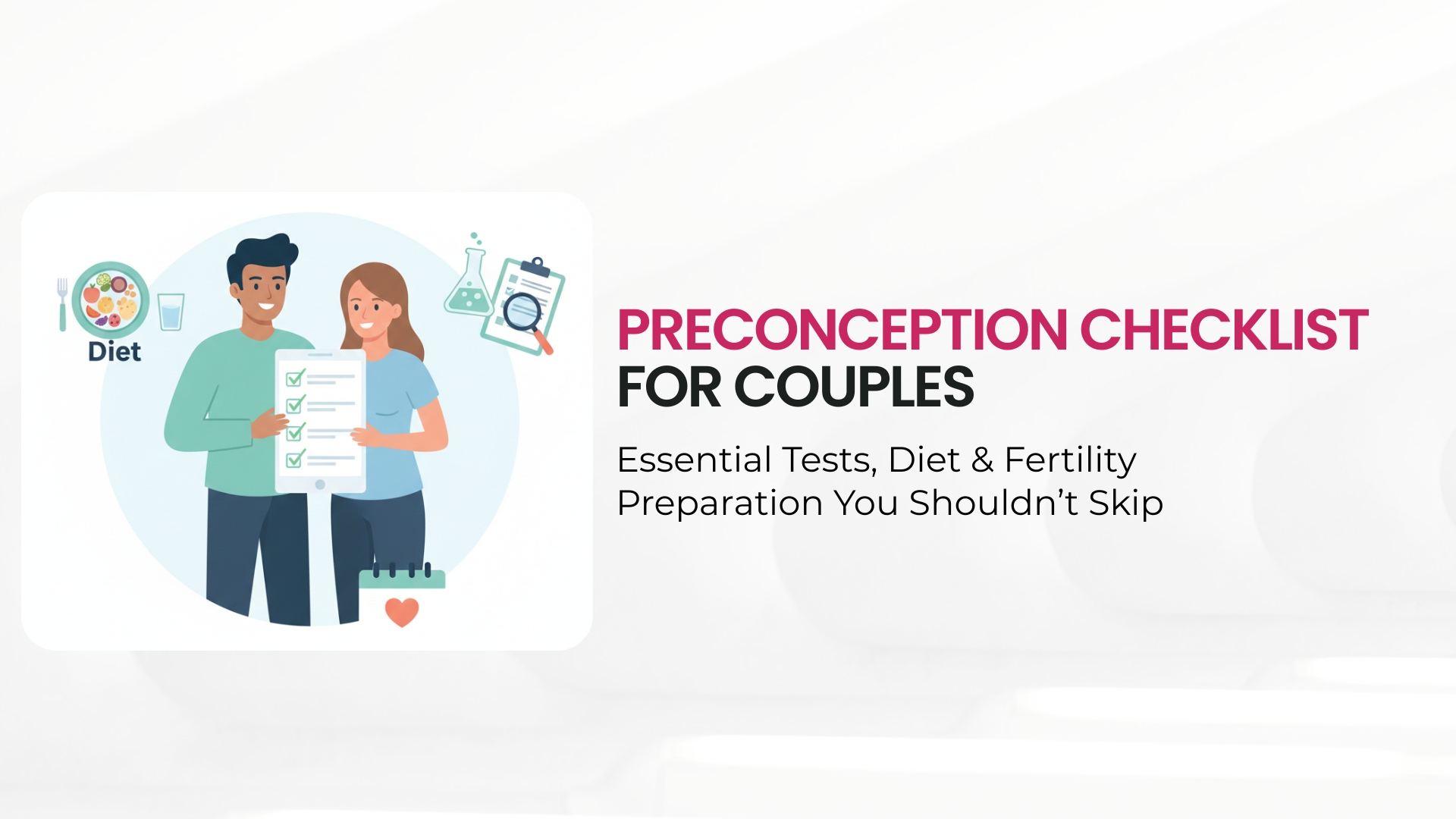
Planning for a baby is an exciting journey, but it begins well before pregnancy. Preconception care ensures a healthy start for your child and prepares both partners physically and mentally. This guide from Pearl Singapore Fertility Centre, Chennai covers essential fertility preparation, key medical tests, diet, and lifestyle habits. Every small choice you make now strengthens your future family.
Why Preconception Care is Important
Starting preconception care 3–6 months before trying for a baby helps:
- Improve egg and sperm quality
- Address hidden health issues
- Enhance fertility success rates
Both partners must focus on health, nutrition, and stress management, as male fertility is equally important.
Timing Matters for Fertility
- Track ovulation cycles using apps or ovulation kits.
- Identify your fertile window to improve chances of conception.
- Manage stress, as high cortisol can affect ovulation and sperm quality.
Tip: A relaxed mind and consistent tracking improve fertility naturally.
Essential Medical Checkups Before Pregnancy
Step 1: Pre-pregnancy Consultation
- Review medical history and past pregnancies
- Discuss medications, chronic conditions, and lifestyle
- Ask questions about fertility tests and supplements
Step 2: Key Blood Tests & Screenings
- Complete blood count (check for anemia)
- Thyroid function tests (T3, T4, TSH)
- Immunity checks (rubella, hepatitis B)
Step 3: Genetic Carrier Screening
- Detect inherited conditions such as cystic fibrosis or sickle cell trait
- Helps couples plan for a healthy pregnancy
Step 4: Infection & STI Testing
- Early detection ensures safe conception
- Both partners must get tested for optimal safety
Fertility-Boosting Diet & Supplements
A nutrient-rich diet strengthens fertility:
For Women:
- Folic acid: 400 mcg daily to prevent birth defects (found in spinach, fortified cereals)
- Vitamin D & Calcium: Supports bone health
- Iron & Protein: Prevents fatigue and supports ovulation
For Men:
- Zinc: Supports sperm health
- Omega-3 fatty acids: Found in fatty fish and nuts, improve sperm quality
Hydration & Lifestyle Tips:
- Drink 8+ glasses of water daily
- Limit caffeine and processed foods
- Avoid alcohol, smoking, and second-hand smoke
Optional Supplements:
- Multivitamins with iron, iodine, and CoQ10
- Antioxidants like vitamin C, E, and berries
Lifestyle Adjustments for Better Fertility
- Sleep 7–8 hours per night
- Moderate exercise like walking or yoga
- Reduce stress through meditation or journaling
- Maintain a healthy BMI
- Avoid high heat exposure for men (hot baths, laptops on laps)
Tracking Fertility Naturally
- Menstrual Cycle Awareness: Track cycles and body signals
- Ovulation Predictor Kits: Detect hormonal peaks for optimal timing
- Cervical Mucus Observation: Clear, stretchy mucus indicates fertile days
Environmental & Workplace Safety
- Use non-toxic cleaning products
- Avoid harmful chemicals and solvents at work
- Ensure a safe, clean home environment
Financial & Emotional Preparation
- Start a baby savings fund
- Check maternity coverage in health insurance
- Build a support system: friends, family, and local parenting groups
Creating a Healthy Home Environment
- Declutter and organize your space
- Use fragrance-free detergents and products
- Maintain calm and peaceful surroundings
Summary: Daily Fertility Habits
- Eat leafy greens daily
- Take folic acid every morning
- Track your cycle on your phone
- Walk 30 minutes daily
- Sleep 7–8 hours nightly
- Drink plenty of water
- Communicate and laugh with your partner
For more information on Causes of Infertility in Women and Men, please read our recent blog.
FAQs
How soon should couples start preconception care?
Experts recommend 3–6 months before pregnancy to optimize fertility and health.