
Fibroids & Fertility: The Silent Reason Many Women Struggle to Conceive
Uterine fibroids are one of the most common—and most misunderstood—reasons women face difficulty getting pregnant. Nearly 70–80% of women develop fibroids at some stage, but many never realize they have them until fertility becomes a challenge.
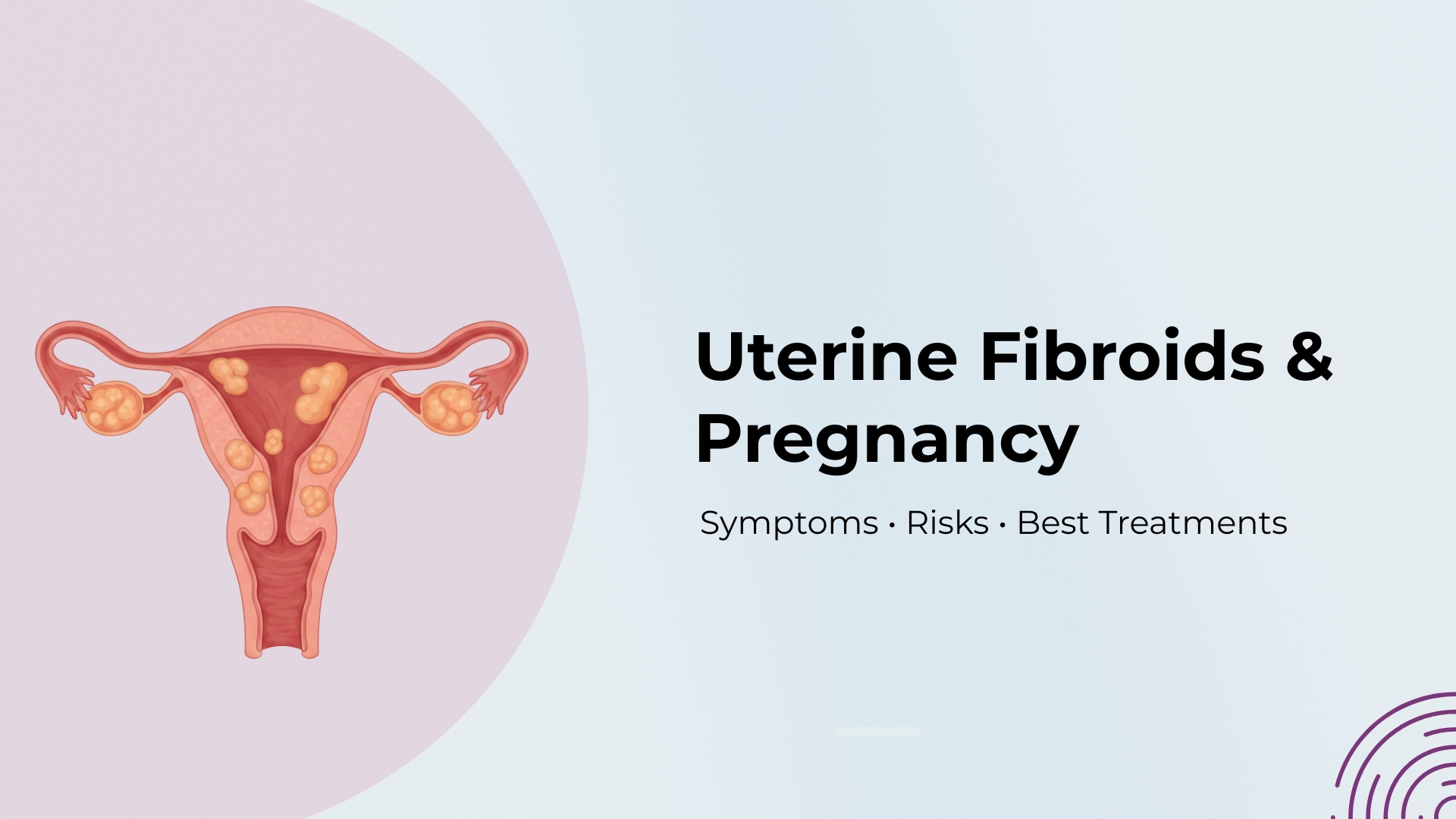
Fibroids are non-cancerous growths inside or on the uterus. While harmless in many cases, some fibroids can:
- distort the uterus
- block the fallopian tubes
- prevent implantation
- increase miscarriage risk
This article explains the hidden symptoms, how fibroids impact fertility, and the best treatment options in Chennai to improve your chances of pregnancy.
Hidden Symptoms of Uterine Fibroids That Affect Fertility
Most fibroids show no symptoms, which is why they often go undiagnosed. But some symptoms are warning signs—especially if you’re trying to conceive.
1. Heavy or Prolonged Periods
This is the most common sign of fibroids. Watch for:
- bleeding lasting more than 7–8 days
- very heavy flow with large clots
- needing to change pads frequently
- fatigue from anemia
Long-standing heavy bleeding can affect overall health and fertility.
2. Pelvic Pressure or Fullness
Large fibroids can create:
- a heaviness in the lower abdomen
- pressure while walking or sitting
- bloating without weight gain
This pressure can distort the uterus and affect implantation.
3. Painful Periods & Pain During Intercourse
Fibroids pressing on the uterine wall or cervix can cause:
- severe menstrual cramps
- pain during deep penetration
- ongoing dull pelvic pain
Painful intercourse can also reduce chances of timed intercourse.
4. Frequent Urination or Constipation
Fibroids pressing on nearby organs may cause:
- frequent urination or urgency
- waking up at night to pee
- constipation or difficulty passing stool
- lower back or leg pain
If these appear along with menstrual issues, fibroids should be evaluated.
How Fibroids Reduce Pregnancy Chances: The Scientific Explanation
Not all fibroids cause infertility. But fibroids that affect the uterus cavity or distort its shape can significantly lower your chances of pregnancy.
Here’s how:
1. Blocking Sperm & Egg Movement
Fibroids near the fallopian tubes can:
- block sperm from reaching the egg
- block the egg from reaching the uterus
If the tube opening is obstructed, natural pregnancy becomes difficult.
2. Preventing Implantation
For a pregnancy to happen, the embryo must attach to the lining of the uterus.
Submucosal fibroids (inside the cavity) are the most problematic because they:
- disrupt the uterine lining
- reduce implantation chances
- increase miscarriage risk
Large intramural fibroids (within the muscle wall) can also distort the cavity.
3. Reducing Blood Flow to the Uterus
Healthy blood flow is essential for embryo development.
Fibroids may:
- reduce blood supply to the endometrium
- create inflammation
- interfere with embryo nourishment
This may lead to implantation failure or early pregnancy loss.
Risks of Fibroids During Pregnancy
Women can still get pregnant with fibroids, but there are certain risks:
1. Higher Miscarriage Risk
Fibroids may:
- decrease space for the baby
- affect placental growth
- cause irregular uterine shape
Submucosal fibroids carry the highest risk.
2. Preterm Labor
Fibroids may:
- irritate the uterus
- trigger early contractions
- grow larger due to increased pregnancy hormones
This can lead to early delivery.
3. Complications During Delivery
Fibroids may:
- block the birth canal (requiring C-section)
- cause abnormal baby position
- increase risk of postpartum hemorrhage
Women with large fibroids must be monitored closely.
When You Should Seek Medical Help
Consult a fertility specialist in Chennai if you:
- have been trying to conceive for 6–12 months
- have heavy periods or pelvic pain
- already know you have fibroids
- are over 35 and want to plan a pregnancy
- have had miscarriages
Early diagnosis helps preserve fertility and reduces complications.
How Doctors Diagnose Uterine Fibroids
A fertility specialist may recommend:
1. Pelvic Ultrasound
The most common and painless method to identify:
- number of fibroids
- size
- location
2. MRI Scan
Gives high-detail images, especially useful before surgery.
3. Hysteroscopy
A thin camera is inserted into the uterus to visualize and remove cavity fibroids.
4. Sonohysterography
A saline ultrasound to check cavity distortion.
Diagnosis helps determine whether the fibroids are affecting fertility.
Best Treatment Options to Improve Fertility (Chennai-Specific Guidance)
1. Medication (Temporary Relief)
Helps manage symptoms but does not provide long-term fertility solutions.
GnRH agonists can shrink fibroids temporarily before surgery.
2. Myomectomy (Fibroid Removal Surgery) — Best for Future Pregnancy
This is the gold-standard treatment if you want to conceive.
Types:
- Hysteroscopic Myomectomy — for submucosal fibroids
- Laparoscopic Myomectomy — minimally invasive, fast recovery
- Abdominal Myomectomy — for multiple or very large fibroids
After myomectomy, many women experience significantly improved fertility.
3. Uterine Fibroid Embolization (UFE)
A non-surgical option that shrinks fibroids.
However, UFE is often NOT recommended for women planning pregnancy because it may affect ovarian reserve.
4. Hysterectomy
Complete removal of the uterus.
This is only for severe cases where fertility is no longer a goal.
Fibroid & Fertility Care in Chennai
If you’re trying to conceive or planning pregnancy after fibroids, early evaluation gives the best possible outcome.
A fertility specialist can:
- assess the impact of fibroids on pregnancy
- recommend the safest treatment
- plan a customized fertility road-map
- support your conception journey
Final Takeaway
Uterine fibroids are extremely common—but the good news is that with proper diagnosis and treatment, most women can still achieve a healthy pregnancy.
If you’re struggling to conceive or experiencing symptoms, don’t wait.
Early treatment can preserve your fertility and improve success rates.
For more information related to the Signs of Infertility in Women, please read our recent blog.
FAQs
Can I get pregnant naturally if I have fibroids?
Yes. Many women conceive naturally. However, submucosal and large intramural fibroids can reduce implantation and pregnancy chances.
Does removing fibroids improve fertility?
Which fibroids are most harmful for fertility?
Do fibroids grow during pregnancy?
Is UFE safe for women who want children?
UFE is not generally recommended for women planning pregnancy because it may reduce ovarian function.