
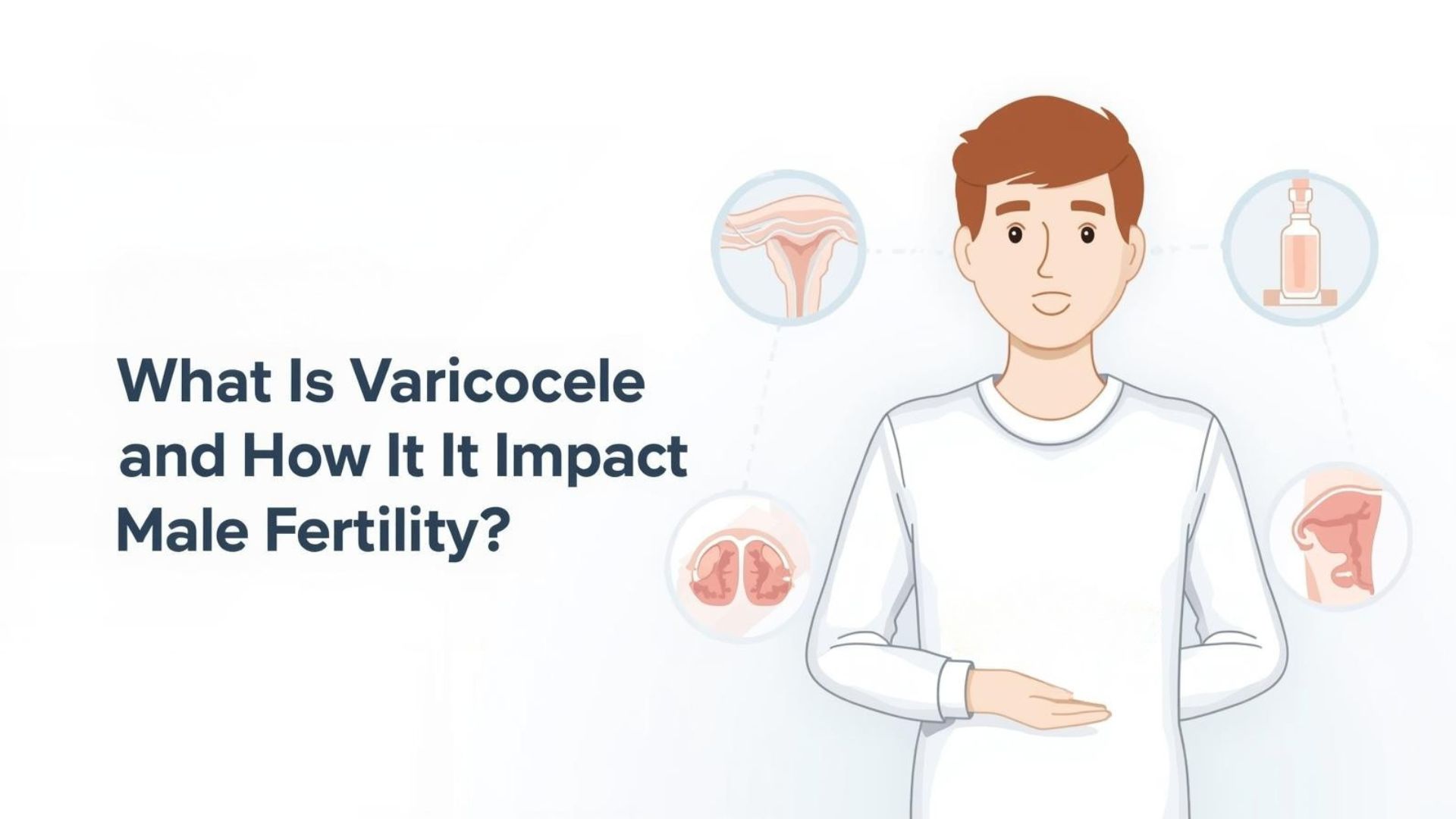
Varicocele is a condition that affects men globally. It occurs when veins in the scrotum enlarge. The scrotum holds the testicles. Enlarged veins increase testicular temperature. Higher temperature reduces sperm quality. Many men do not notice symptoms. Some feel a dull ache or heaviness. Early detection improves fertility outcomes. This guide explains causes, symptoms, grading, treatments, recovery, and care.
Understanding Varicocele
Veins in the scrotum carry blood to the heart. Tiny valves inside these veins keep blood moving in one direction. Valve failure allows blood to pool. Pooled blood enlarges veins. Left-sided varicoceles occur more often. Both testicles can be affected. Heat from poor blood flow reduces sperm count and motility. Healthy veins support fertility.
Symptoms and Signs
Symptoms vary. Some men notice no changes. Others experience:
- Small lump in the scrotum
- Heaviness or dragging feeling
- Dull pain while standing or during activity
- Swollen veins visible under the skin
- Testicular shrinkage
Lying down often reduces discomfort. Regular self-checks and urologist visits help detect varicocele early.
How Varicocele Affects Sperm Health
Varicocele impacts sperm in multiple ways:
- Low sperm count reduces fertilization chances
- Poor motility prevents sperm from reaching the egg
- Abnormal shape reduces fertilization ability
- Oxidative stress damages sperm DNA
Sperm damage increases miscarriage risk. Treatments improve sperm quality and increase fertility success.
Grading Varicocele
Doctors classify varicocele into grades:
- Grade 1: Small, detectable during Valsalva maneuver
- Grade 2: Medium, palpable without effort
- Grade 3: Large, visible through the skin
Higher grades increase fertility risk. Ultrasound measures vein diameter and confirms grade. Both small and large varicoceles can affect sperm.
Hormone Impact
Varicocele affects testosterone production. Leydig cells in the testicles produce testosterone. Poor blood flow damages these cells. Low testosterone causes fatigue, low libido, mood changes, and erectile issues. Treatment restores hormone levels and supports reproductive health.
Medical Diagnosis
Urologists examine the scrotum while standing. The exam includes Valsalva maneuver. Semen analysis measures sperm count, motility, and shape. Scrotal ultrasound provides detailed imaging. Early diagnosis improves treatment outcomes. Pain, lumps, or testicular shrinkage require evaluation
Treatment Options
Observation monitors men with no pain or normal fertility.
Surgical repair uses microsurgical varicocelectomy. The surgeon cuts enlarged veins. Blood flows through healthy veins. Microsurgery lowers recurrence and complications.
Embolization involves a radiologist inserting a coil to block the vein. It is non-surgical and requires minimal recovery.
Recovery
Most men return home the same day. Mild soreness occurs. Ice reduces swelling. Avoid heavy lifting for weeks. Sperm quality improves within three months. Following medical instructions improves outcomes.
Lifestyle Management
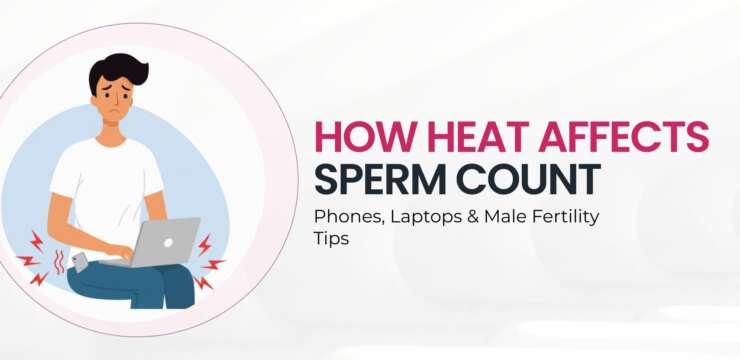
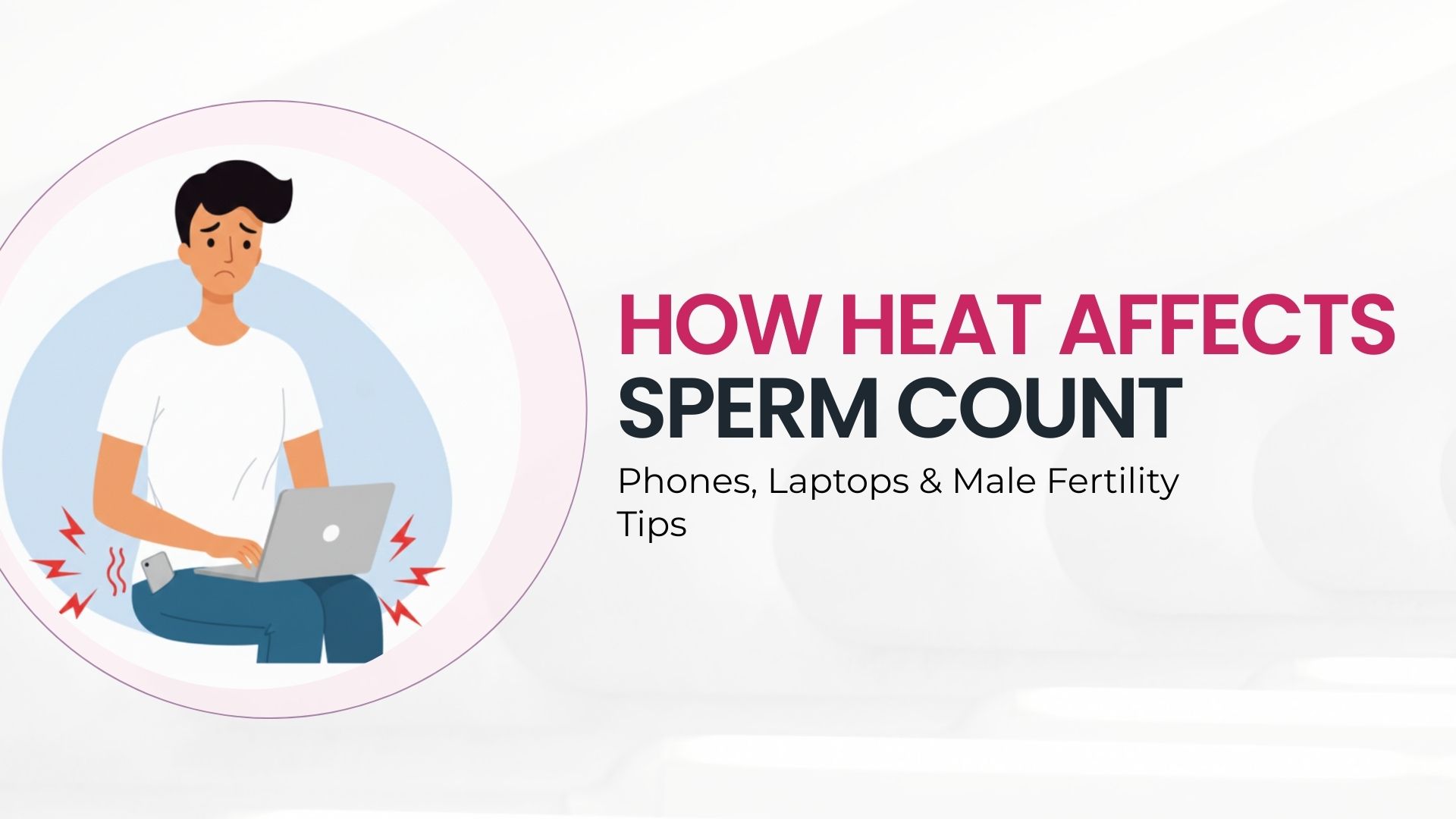
Supportive underwear reduces vein strain. Avoid prolonged standing. Eat antioxidant-rich foods such as berries, nuts, and leafy greens. Stay hydrated. Avoid hot tubs and tight clothing. These steps support testicular health alongside treatment.
Varicocele in Adolescents
Varicocele often starts during puberty. Parents should monitor swelling. Testicle size differences require evaluation. Early intervention prevents long-term fertility issues. Surgery may be advised if growth is affected.
Pregnancy and Fertility
Treatment improves sperm parameters. Sperm improvement increases natural conception rates. IUI or IVF may be required in some cases. Surgery lowers DNA damage in sperm and reduces miscarriage risk. Working with a fertility specialist improves chances of conception.
When to Seek Help
Seek evaluation after one year of unsuccessful attempts to conceive, or six months if older than 35. Pain, visible veins, or testicular shrinkage require immediate consultation. Early treatment preserves fertility.
Myths and Facts
Tight clothing does not cause varicocele.
It does not always reduce fertility.
Varicocele is not cancer.
Long-Term Health
Exercise improves blood flow. Maintain a healthy weight. Avoid smoking. Eat fiber to reduce straining. Wear loose clothing. Keep testicles cool. These habits protect reproductive health.
Common Questions About Varicocele Repair
Will varicocele return? Recurrence is low with microsurgery.
Is surgery painful? Mild discomfort occurs. Pain medication is provided.
Recovery time? One to two weeks for normal activity. Three months for full sperm recovery.
Does insurance cover surgery? Many plans cover pain or fertility-related procedures.
Exercise after surgery? Light activity starts in one to two weeks. Heavy lifting follows doctor instructions.
Final Advice
Varicocele requires treatment to protect fertility. Focus on sperm health, lifestyle, and medical care. Support your partner. Manage stress. Follow medical guidance. Prompt action improves reproductive outcomes. Regular checkups help detect issues early. Adopting healthy habits supports long-term fertility.
For more information on Myths & Facts About Male Fertility, please read our recent blog.
FAQs
Can varicocele affect both testicles?
Yes. It usually affects the left testicle but can occur on both sides. Both-sided varicocele may reduce sperm quality more.