

Blocked Fallopian Tubes: Symptoms, HSG Test & Treatment in Chennai
 By Pearl Editor
(Expert Guide by Pearl Singapore Fertility Centre- Omr, Chennai)
Blocked fallopian tubes are one of the most common — and most misunderstood — causes of female infertility. Many women only discover the condition after months or years of trying to conceive. If you have recently been diagnosed, it’s normal to feel anxious, confused, or overwhelmed.
But here’s the truth:
👉 Blocked tubes do NOT end your dream of becoming a mother.
👉 Many women conceive naturally with one healthy tube.
👉 Modern fertility treatments, especially at specialised centres like Pearl Singapore Fertility Centre – Thoraipakkam, Chennai, offer excellent success rates.
This guide gives you clear, medically accurate, and easy-to-understand explanations of blocked fallopian tubes, their causes, symptoms, HSG testing, treatment options, and natural pregnancy chances.
What Are Fallopian Tubes & Why Are They Important for Pregnancy?
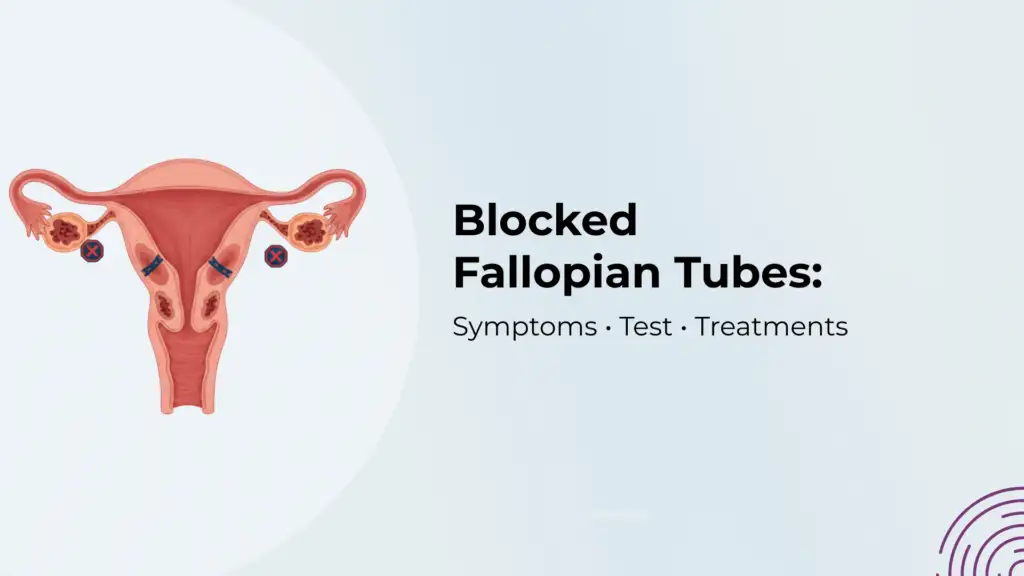
Fallopian tubes are two thin, delicate reproductive organs that connect the ovaries to the uterus. They perform three crucial functions:
- Carry the egg from the ovary to the uterus.
- Allow sperm to meet the egg — fertilisation usually happens inside the tube.
- Transport the embryo safely to the uterus for implantation.
When one or both tubes are blocked, this journey stops — preventing the egg and sperm from meeting.
Types of Tube Blockage
| Type of Blockage | Meaning | Chances of Natural Pregnancy |
| Unilateral Blockage | One tube blocked | Good chance that the other tube is healthy |
| Bilateral Blockage | Both tubes blocked | A natural pregnancy is extremely unlikely |
| Partial Blockage | Tube partially open | Higher risk of ectopic pregnancy |
At Pearl Singapore Fertility Centre – Omr, Chennai, your doctor will identify the exact type of blockage and recommend personalised treatment.
Symptoms of Blocked Fallopian Tubes — Do They Always Show?
Most women do not experience any symptoms.
The only noticeable sign often is difficulty conceiving.
However, some women may show:
- Lower abdominal or pelvic pain
- Pain around periods
- Chronic dull ache
- Unusual vaginal discharge (in infection-related cases)
- Symptoms of endometriosis
A condition called hydrosalpinx (fluid-filled, swollen tube) may cause:
- Pelvic pain
- Watery discharge
- Higher risk of IVF failure
Early diagnosis at a specialised fertility centre can prevent complications.
What Causes Blocked Fallopian Tubes?
Blocked tubes usually result from scarring, inflammation, or infection. The most common causes include:
1. Pelvic Inflammatory Disease (PID)
- Leading cause of tubal blockage
- Often due to untreated or past sexually transmitted infections
- Causes scarring, tissue damage & tube narrowing
- Damages cilia — tiny hair-like structures that move the egg
2. Endometriosis
- Tissue similar to the uterine lining grows outside the uterus
- Can grow on tubes or ovaries
- Causes adhesions and inflammation
- Commonly seen in women with painful periods
3. Previous Abdominal or Pelvic Surgery
Scar tissue can form after:
- C-section
- Appendix removal
- Fibroid surgery
- Ectopic pregnancy surgery
Adhesions from these procedures may twist or block the tubes.
4. History of Ectopic Pregnancy
An ectopic pregnancy in the tube can damage it permanently, leading to future blockage.
HSG Test Explained — The Key Tool for Diagnosing Blocked Tubes
Hysterosalpingogram (HSG) is the most important test to check if the fallopian tubes are open.
How the HSG Test Is Done
- You lie on an X-ray table
- A thin catheter is inserted through the cervix
- A contrast dye is passed into the uterus
- X-rays show whether the dye flows through the tubes
- If the tubes are open → dye spills freely
- If blocked → dye stops before the blockage
Does HSG Help Improve Pregnancy Chances?
Yes — for some women, especially with mild or mucus-related blocks.
The dye can flush debris and open minor blockages. This increases the chance of pregnancy for 1–3 months after the test.
Patients at Pearl Singapore Fertility Centre – Thoraipakkam, Chennai are guided with pre-procedure pain management and detailed counselling.
Best Treatment Options for Blocked Fallopian Tubes
Treatment depends on:
- Type of blockage
- Severity
- Your age
- Presence of hydrosalpinx
- Past fertility history
1. Laparoscopic Surgery
Used for:
- Removing adhesions
- Treating endometriosis
- Correcting mild blockages
- Removing or clipping hydrosalpinx
- Repairing tube shape
Minimally invasive and performed through tiny incisions.
2. Selective Tubal Cannulation
Best for proximal tubal blocks (near the uterus).
A thin catheter is passed into the tube to clear the blockage.
3. In Vitro Fertilization (IVF)
Recommended when:
- Both tubes are blocked
- Hydrosalpinx is present
- Tubes are severely damaged
- Surgery is unlikely to succeed
- You’re above maternal age threshold
IVF bypasses the fallopian tubes completely.
- High-quality embryology labs
- Advanced stimulation protocols
- Hydrosalpinx management before IVF
- High pregnancy success rates
Can You Still Get Pregnant Naturally with Blocked Tubes?
Natural conception is possible in certain cases:
Unilateral Blockage (One Tube Blocked)
✔ Good chance of natural pregnancy
✔ Ovulation tracking helps
✔ Ultrasound monitoring can identify which ovary releases the egg
Bilateral Blockage (Both Tubes Blocked)
Natural pregnancy is extremely rare. IVF becomes the best option
Partial Blockage
⚠ Higher risk of ectopic pregnancy
⚠ Requires careful medical supervision
✔ Pregnancy may still occur with treatment
Emotional Support & Coping After Diagnosis
Blocked tubes can trigger stress, sadness, frustration, and fear.
You are not alone — and your feelings are valid.
Healthy Ways to Cope
- Open conversations with your partner
- Support groups for women facing infertility
- Counselling or therapy
- Yoga, meditation, and stress management
- Healthy diet & consistent sleep
Final Words
A blocked fallopian tube diagnosis may feel overwhelming, but it is not the end of your fertility journey.
With the right medical care, thousands of women successfully conceive through surgery, natural methods, or IVF — and you can too.
Pearl Singapore Fertility Centre – Thoraipakkam, Chennai, offers advanced diagnostics, expert fertility specialists, world-class IVF labs, and personalised treatment plans to help you achieve your dream of parenthood.
For more information on the Signs of Infertility in Women, please read our recent blog.
FAQs
Can HSG help me get pregnant?
Yes, the dye may flush mild blockages and increase pregnancy chances for a few months.
If only one tube is blocked, should I keep trying naturally?
Is IVF better than surgery?
Are damaged tubes risky for pregnancy?
Can blocked tubes cause pelvic pain?
Sometimes, especially with hydrosalpinx, endometriosis, or infections.
