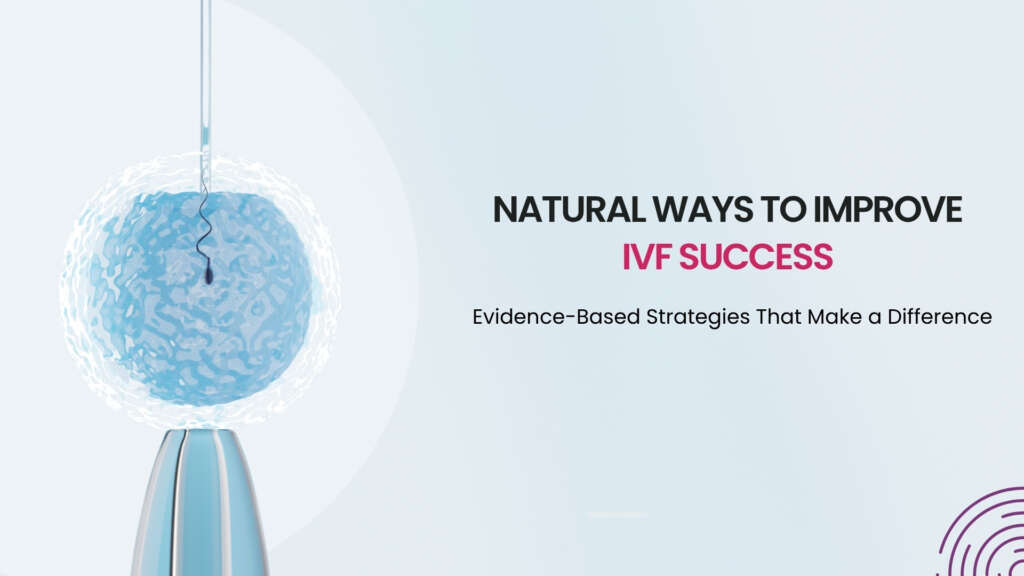
Natural Ways to Improve IVF Success: Evidence-Based Strategies That Make a Difference
 By Pearl Editor
Introduction: What You Do Before and During IVF Matters
IVF success is shaped by many factors — egg quality, sperm health, embryo development, uterine receptivity, and the precision of the medical protocol. While the clinical team manages the medical variables, there is a meaningful role for natural, lifestyle-based strategies that genuinely support your treatment.
At PSFC OMR, Chennai, we integrate evidence-based lifestyle guidance into our IVF preparation protocols because we know the difference it can make. Here’s what the science supports— and what you can start doing today.
1. Optimise Your Diet for Egg and Sperm Quality
What you eat directly affects the quality of the cells that form the embryo. Both partners should focus on:
For Women: The Mediterranean-Inspired Fertility Diet
- Increase antioxidant-rich foods: leafy greens, berries, citrus, tomatoes, colourful vegetables
- Include healthy fats: avocado, extra virgin olive oil, nuts, seeds, and fatty fish
- Choose whole grains and low-GI carbohydrates: brown rice, millets, oats
- Eat adequate protein from plant and lean animal sources
- Reduce sugar, ultra-processed foods, trans fats, and excess salt
For Men: Foods That Support Sperm Health
- Zinc-rich foods: sesame seeds, pumpkin seeds, legumes, lean meat
- Omega-3 sources: flaxseeds, walnuts, fatty fish
- Vitamin C: amla, citrus fruits, bell peppers
- Folate: leafy greens, dal, fortified cereals
Tip: Consistency over 90 days matters most — sperm take 72–90 days to mature, and egg quality reflects the last 3 months of nutritional status.
2. Maintain a Healthy Body Weight
BMI significantly affects IVF outcomes. Both underweight and overweight status are associated with poorer response to stimulation, reduced egg quality, and lower implantation rates.
- Women with a BMI above 30 may have reduced response to follicle-stimulating hormone and higher risk of OHSS.
- Women with a BMI below 18.5 may have reduced ovarian reserve and impaired uterine receptivity.
- Even a 5–10% change in body weight (in either direction, toward a healthy BMI) has been shown to measurably improve IVF outcomes.
Work with your specialist and a nutritionist to set realistic weight goals before your cycle begins.
3. Take Evidence-Based Supplements
Supplements can support IVF preparation, but they must be chosen carefully and discussed with your specialist. The following have the strongest evidence:
| Supplement | Who Benefits | Benefit |
| Folic Acid (400–800 mcg) | All women | Neural tube protection, DNA synthesis |
| CoQ10 (Ubiquinol) | Women over 35, poor responders | Improves egg mitochondrial energy |
| Vitamin D | Most Indians (commonly deficient) | Implantation, immune regulation |
| Myo-Inositol | Women with PCOS | Insulin sensitivity, ovulation quality |
| Omega-3 (DHA/EPA) | Both partners | Egg quality, sperm membrane health |
| Zinc + Selenium | Men | Sperm production and DNA protection |
| Vitamin E | Men | Antioxidant protection for sperm DNA |
Always have your levels tested before supplementing, and discuss dosage with your fertility specialist.
4. Quit Smoking — Both Partners
Smoking is one of the most significant modifiable risk factors for IVF failure. Its effects are severe:
- In women: accelerates ovarian ageing, reduces egg count and quality, impairs uterine receptivity
- In men: increases sperm DNA fragmentation, reduces count and motility
- Passive smoking also affects fertility — both partners should quit
Studies show that women who smoke require significantly higher doses of FSH in IVF, have lower fertilisation rates, and poorer implantation rates. The good news: many of these effects are partially reversible within 3–6 months of quitting.
5. Reduce or Eliminate Alcohol
Alcohol disrupts reproductive hormone levels, reduces egg quality, and impairs sperm function. Even moderate consumption has been associated with reduced IVF success rates in studies. The safest approach is complete abstinence during IVF preparation and treatment.
6. Manage Stress Actively
The link between stress and IVF outcomes is real — though it is not the oversimplified “just relax and it will happen” narrative. Chronic stress elevates cortisol, which can suppress the reproductive hormonal axis and impair implantation.
Evidence-Supported Stress Reduction Strategies
- Yoga — shown to reduce cortisol and improve IVF outcomes in multiple studies
- Mindfulness meditation — reduces anxiety and improves emotional resilience during treatment
- Acupuncture — some evidence supports its role in reducing IVF-related stress and improving uterine blood flow
- Fertility counselling or therapy — proven to improve emotional outcomes and treatment adherence
7. Optimise Sleep
Sleep is one of the most underrated variables in reproductive health. Poor sleep disrupts melatonin — a powerful antioxidant that protects egg quality — and affects the hormonal rhythms that regulate the entire reproductive cycle.
- Aim for 7–9 hours of sleep per night
- Maintain a consistent sleep schedule
- Limit screen time before bed — blue light suppresses melatonin
- Keep the bedroom cool and dark
8. Limit Caffeine
High caffeine intake (more than 200 mg per day — equivalent to approximately one large coffee) has been associated with reduced IVF success in some studies. Moderate your intake during treatment and ideally in the 3 months before your cycle begins.
9. Avoid Environmental Toxins
Endocrine-disrupting chemicals found in certain plastics, pesticides, and personal care products can interfere with reproductive hormones. Practical steps include:
- Avoid heating food in plastic containers
- Choose glass or stainless steel water bottles
- Opt for organic produce where possible, especially for the “dirty dozen” high-pesticide fruits and vegetables
- Review personal care products for parabens, phthalates, and BPA
10. Stay Active — But Not Too Intensely
Regular moderate exercise supports healthy BMI, reduces stress, improves insulin sensitivity, and promotes hormonal balance. However, high-intensity exercise during IVF stimulation can increase OHSS risk and may impair implantation.
- Ideal pre-IVF exercise: 30 minutes of walking, yoga, or swimming, 4–5 times per week
- During stimulation: reduce intensity significantly; walking and gentle yoga are appropriate
- After embryo transfer: light walking only; avoid anything that raises core temperature or causes abdominal strain
Conclusion
Natural strategies to improve IVF success are not alternatives to medical treatment — they are powerful complements to it. The months before and during your IVF cycle are a critical window in which lifestyle choices can meaningfully affect the quality of your eggs, sperm, and uterine environment.
IVF gives science its best opportunity to help you conceive. What you do with your body in the months before treatment gives science the best material to work with.
FAQs
How early should I start making lifestyle changes before IVF?
Ideally, begin 3 months before your planned IVF cycle. This allows time for egg quality improvements (which reflect the past 90 days) and full sperm cycle optimization.
Could CoQ10 potentially enhance egg quality?
Is acupuncture during IVF proven to help?
Should I avoid exercise completely after embryo transfer?
