
Introduction: What Is Anovulation?
Ovulation is the foundation of natural conception. When ovulation stops or becomes irregular, getting pregnant becomes significantly more challenging. This condition is called anovulation — the absence of ovulation in a menstrual cycle.
Anovulation is one of the most common causes of female infertility, accounting for approximately 25–30% of infertility cases. The good news? With the right support, many women can restore their cycle naturally.
At PSFC OMR, Chennai, we help couples understand and address ovulation disorders with personalized, evidence-based care.
What Is Anovulation?
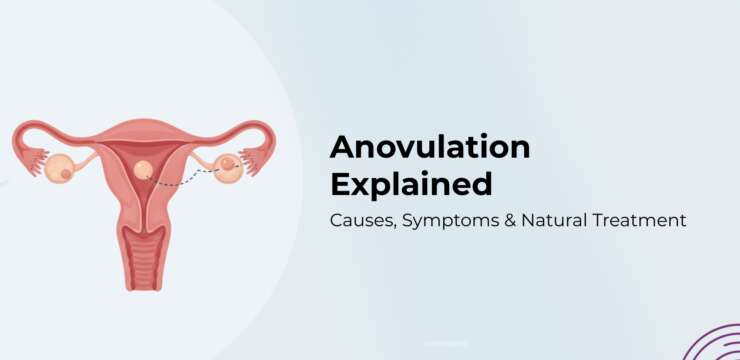
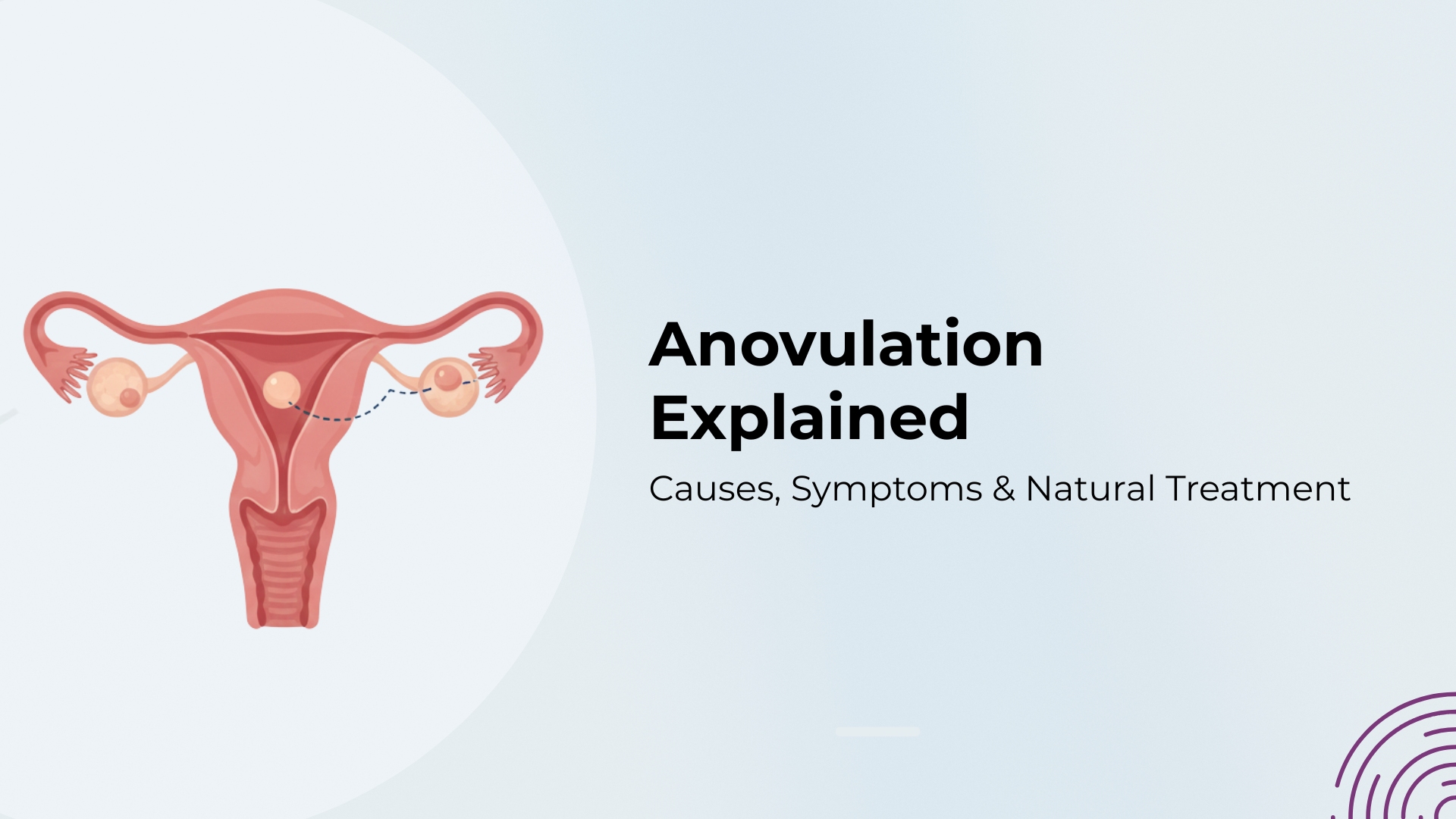
Anovulation occurs when a woman’s ovaries do not release an egg during a menstrual cycle. While a woman may still experience bleeding (anovulatory bleeding), it is not a true period — no egg has been released, meaning conception is not possible that month.
Anovulation can be occasional (even healthy women skip ovulation sometimes) or chronic, which is when it signals an underlying condition requiring attention.
Common Causes of Anovulation
1. Polycystic Ovary Syndrome (PCOS)
PCOS is the most common cause of anovulation. Hormonal imbalances prevent the follicles from maturing and releasing eggs, leading to irregular or absent periods.
2. Thyroid Disorders
Both hypothyroidism and hyperthyroidism can disrupt the hormones that regulate ovulation — particularly LH (luteinizing hormone) and FSH (follicle-stimulating hormone).
3. Hyperprolactinaemia
Elevated prolactin levels (often due to stress or a small pituitary tumor called a prolactinoma) suppress ovulation by interfering with reproductive hormone signals.
4. Excessive Exercise or Low Body Weight
Athletes or women with very low BMI may experience hypothalamic amenorrhoea — the brain reduces GnRH production to conserve energy, shutting down the reproductive system.
5. Obesity
Excess fat tissue produces oestrogen, disrupting the hormonal balance needed for ovulation. Insulin resistance, common in overweight women, also contributes to anovulation.
6. Chronic Stress
High cortisol levels interfere with GnRH (gonadotropin-releasing hormone), which is essential for triggering ovulation.
Signs & Symptoms of Anovulation
| Symptom | What It May Indicate |
| Irregular or absent periods | No ovulation occurring that cycle |
| No temperature rise in BBT | Absence of post-ovulatory progesterone spike |
| No positive LH surge on OPK | Egg not developing or releasing |
| Lack of cervical mucus changes | Hormonal signals not functioning normally |
| Unusual bleeding patterns | Anovulatory bleed (not a real period) |
Natural Ways to Restart Your Cycle
1. Maintain a Healthy Weight
Reaching and maintaining a BMI between 18.5–24.9 can significantly restore natural ovulation. Even a 5–10% change in body weight can regulate cycles in women with PCOS or weight-related anovulation.
2. Manage Stress
Practise yoga, meditation, and deep breathing to lower cortisol. High stress is one of the most underappreciated causes of cycle disruption.
3. Eat for Hormonal Balance
Focus on whole grains, leafy greens, lean proteins, and healthy fats. Limit sugar, refined carbohydrates, and processed foods that spike insulin and disrupt hormones.
4. Reduce Intense Exercise
If you’re exercising excessively, moderating your routine can help restore GnRH signalling and restart ovulation within a few months.
5. Fertility-Supporting Supplements
Inositol (especially myo-inositol for PCOS), Vitamin D, magnesium, and zinc have shown benefits in restoring ovulation. Always consult your fertility specialist before starting supplements.
6. Seed Cycling
Incorporating flaxseeds and pumpkin seeds in the follicular phase, and sesame and sunflower seeds in the luteal phase, may help gently support hormonal balance.
When to See a Fertility Specialist
If your cycles are consistently irregular (over 35 days or absent), it’s time to seek professional evaluation. Early assessment can identify correctable causes and dramatically improve your chances of natural conception.
At PSFC OMR, Chennai, our specialists conduct comprehensive hormonal panels, ultrasound monitoring, and personalised treatment plans to help women restart their cycles and conceive.
Conclusion
Anovulation doesn’t have to be the end of your fertility journey. Understanding why ovulation has stopped is the first step toward restarting it. With lifestyle changes, medical guidance, and the right support, many women successfully restore ovulation and go on to conceive naturally.
Your cycle is a vital sign. Listening to it — and acting on what it tells you — is one of the most powerful things you can do for your fertility.
FAQs
Can you still have a period with anovulation?
Yes. Anovulatory bleeding can look like a period but no egg was released. True ovulatory periods are preceded by an LH surge and followed by a temperature rise.