
Do You Feel Like Your Periods Have Disappeared or Become Irregular?
If your menstrual cycle feels unpredictable—or has stopped entirely—you are not alone. Many women silently struggle with irregular periods, missed cycles, or difficulty getting pregnant without understanding the reason. One common but often overlooked cause is anovulation.
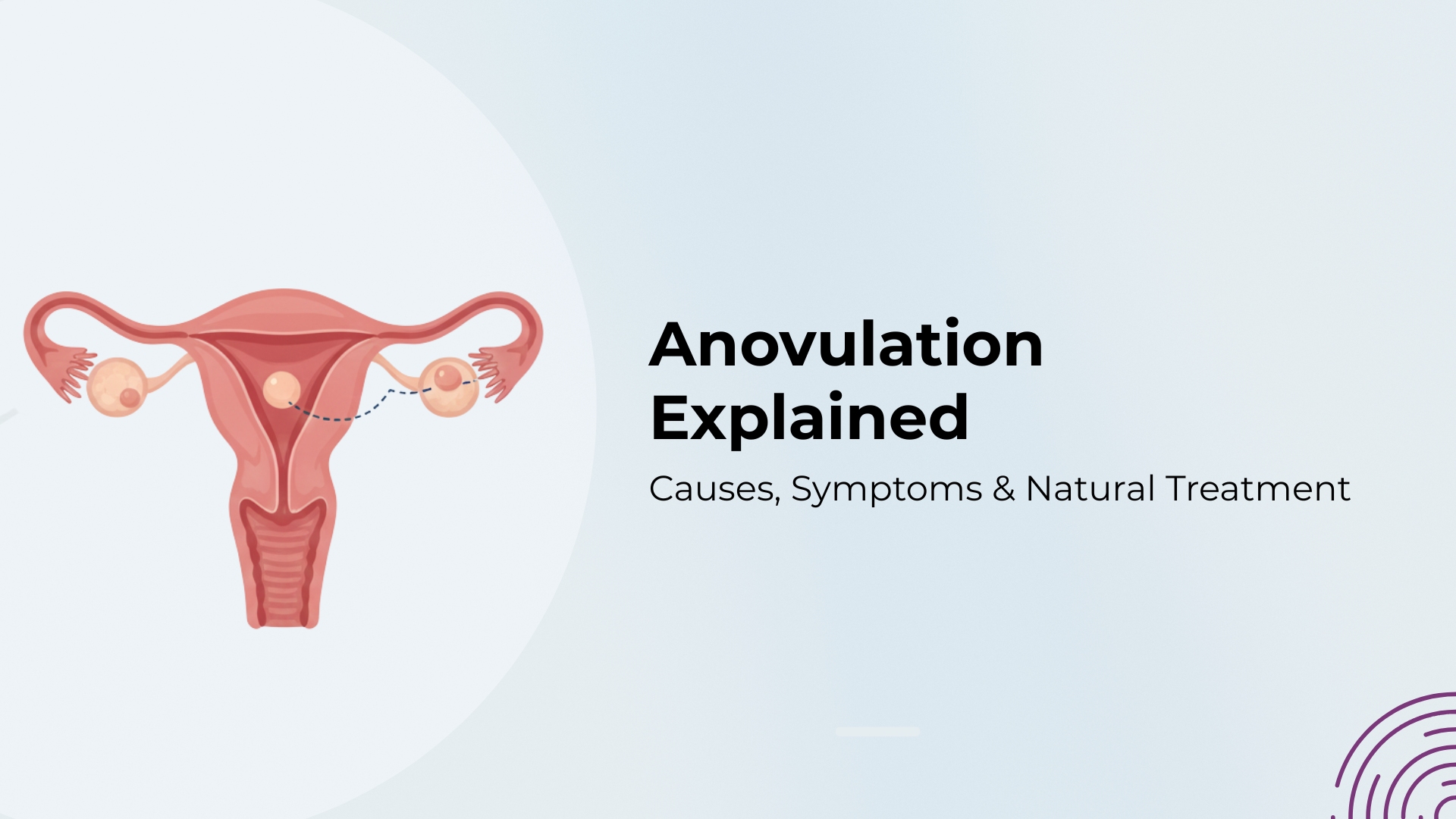
Anovulation means your ovaries are not releasing an egg, making pregnancy difficult and disrupting hormonal balance. The good news is that, in many cases, ovulation can be safely restarted by addressing the root cause.
This guide explains:
- What anovulation is
- Why ovulation stops
- Signs you may not be ovulating
- Natural and medical ways to restore ovulation safely
What Is Anovulation, and Why Does Ovulation Stop?
Anovulation is a condition where the ovary does not release an egg during the menstrual cycle. In a healthy cycle, ovulation occurs once every month. When ovulation does not happen, pregnancy cannot occur.
Some women with anovulation:
- Do not get periods at all
- Have very irregular cycles
- Experience bleeding that is not a true period
This bleeding often occurs due to a hormonal imbalance, not ovulation. Ovulation depends on precise signals between the brain (hypothalamus and pituitary) and the ovaries. When these signals are disrupted, ovulation stops.
What Are the Common Signs of Not Ovulating?
You may not always realize that ovulation has stopped. Common signs of anovulation include:
- Missed periods (amenorrhea)
- Cycles longer than 35 days (oligomenorrhea)
- Very light or unpredictable bleeding
- Absence of egg-white cervical mucus
- Negative ovulation predictor kits
- Flat basal body temperature charts
If you experience these symptoms consistently, it may indicate an ovulation problem that requires evaluation.
Why Does Anovulation Happen? Common Causes Explained
1. Polycystic Ovary Syndrome (PCOS)
PCOS is the leading cause of anovulation. It causes hormonal imbalance, high androgens, and irregular egg development, preventing ovulation.
2. Chronic Stress and High Cortisol
Long-term stress increases cortisol levels. When the brain perceives danger, it suppresses reproductive hormones to conserve energy.
3. Weight Imbalance
- Low body weight can cause hypothalamic amenorrhea
- Excess weight can cause insulin resistance, disrupting ovulation
4. Excessive Exercise
Intense workouts without proper recovery can suppress ovulation.
5. Hormonal Disorders
Thyroid dysfunction or high prolactin levels can stop ovulation entirely.
Can Anovulation Be Reversed Naturally?
Yes. Many women can restore ovulation naturally by correcting lifestyle, nutritional, and hormonal imbalances. However, success depends on identifying the root cause.
Natural treatment works best when:
- Stress is reduced
- Nutrition is optimized
- Sleep improves
- Weight is balanced
Medical treatment may be needed if conditions like PCOS or thyroid disorders are present.
Natural Ways to Restart Ovulation Safely
1. Improve Nutrition for Hormonal Balance
- Eat whole foods, vegetables, fruits, and healthy fats
- Include nuts, seeds, avocado, and olive oil
- Reduce sugar and refined carbohydrates
- Stay hydrated
Healthy fats are essential for estrogen and progesterone production.
2. Supplements That Support Ovulation
Under medical guidance, the following may help:
- Inositol – improves insulin sensitivity in PCOS
- Vitex (Chasteberry) – supports pituitary hormone balance
- Vitamin D – deficiency is linked to anovulation
- Magnesium – reduces stress and improves sleep
Supplements work best alongside lifestyle changes.
3. Reduce Stress to Restore Ovulation
Stress directly suppresses ovulation. Effective strategies include:
- Daily deep breathing or meditation
- Gentle yoga for fertility
- Walking in nature
- Consistent sleep schedule
Lower cortisol allows reproductive hormones to recover.
4. Improve Gut Health
A healthy gut helps eliminate excess estrogen. Poor digestion can worsen a hormonal imbalance.
- Eat high-fiber foods
- Include probiotics like yogurt or fermented foods
- Avoid chronic constipation
Gut health plays a major role in ovulatory health.
Herbs and Teas That Support Ovulation
- Spearmint tea – lowers excess androgens (PCOS)
- Red raspberry leaf tea – tones the uterus
- Nettle tea – rich in minerals
These provide gentle, supportive benefits when used consistently.
How Sleep Affects Ovulation and Egg Quality
Poor sleep disrupts insulin and reproductive hormones. To protect ovulation:
- Sleep 7–8 hours nightly
- Maintain consistent bedtimes
- Keep the room dark and cool
- Avoid screens before bed
Quality sleep supports hormone repair and egg health.
Tracking Your Cycle: A Key Step to Recovery
Tracking helps you understand whether ovulation is returning.
Track:
- Cycle length
- Cervical mucus
- Basal body temperature
- Ovulation test results
If ovulation does not return after 3 months of lifestyle changes, medical evaluation is advised.
Avoid Hormone-Disrupting Toxins
Endocrine disruptors mimic estrogen and interfere with ovulation.
- Avoid plastic containers
- Choose fragrance-free products
- Use natural cleaners
- Support liver detox with hydration and greens
Reducing toxins helps restore hormonal balance.
Natural Treatment vs Medical Treatment for Anovulation
| Natural Treatment | Medical Treatment |
| Lifestyle & diet | Ovulation induction drugs |
| Stress reduction | Letrozole / Clomid |
| Supplements | Hormonal regulation |
| Best for mild cases | Needed for severe cases |
A fertility specialist can help determine the right approach.
When Should You See a Fertility Specialist in Chennai?
You should seek medical help if:
- Periods stop for 3 months or more
- You have been trying to conceive for over a year
- You have PCOS, thyroid disease, or unexplained infertility
Early evaluation improves treatment success.
Emotional Health and Body Confidence Matter
Your body is not failing—it is protecting itself. Healing ovulation takes patience. Celebrate small improvements like better sleep, improved mood, or cycle changes. Emotional well-being directly affects fertility hormones.
Simple Daily Habits to Support Ovulation
- Eat a protein-rich breakfast
- Limit caffeine
- Take a prenatal vitamin
- Get morning sunlight
- Maintain consistent routines
Small habits create powerful hormonal shifts over time.
Final Thoughts: Restoring Ovulation Is Possible
Anovulation is common—but treatable. By addressing stress, nutrition, sleep, and underlying conditions, many women successfully restart ovulation naturally or with minimal medical support.
Your menstrual cycle reflects your overall health. With the right guidance and care, your body can return to balance.
For more information on infertility in women, please read our recent blog.