
Introduction: Hormones Are Central to IVF — and to How You Feel During It
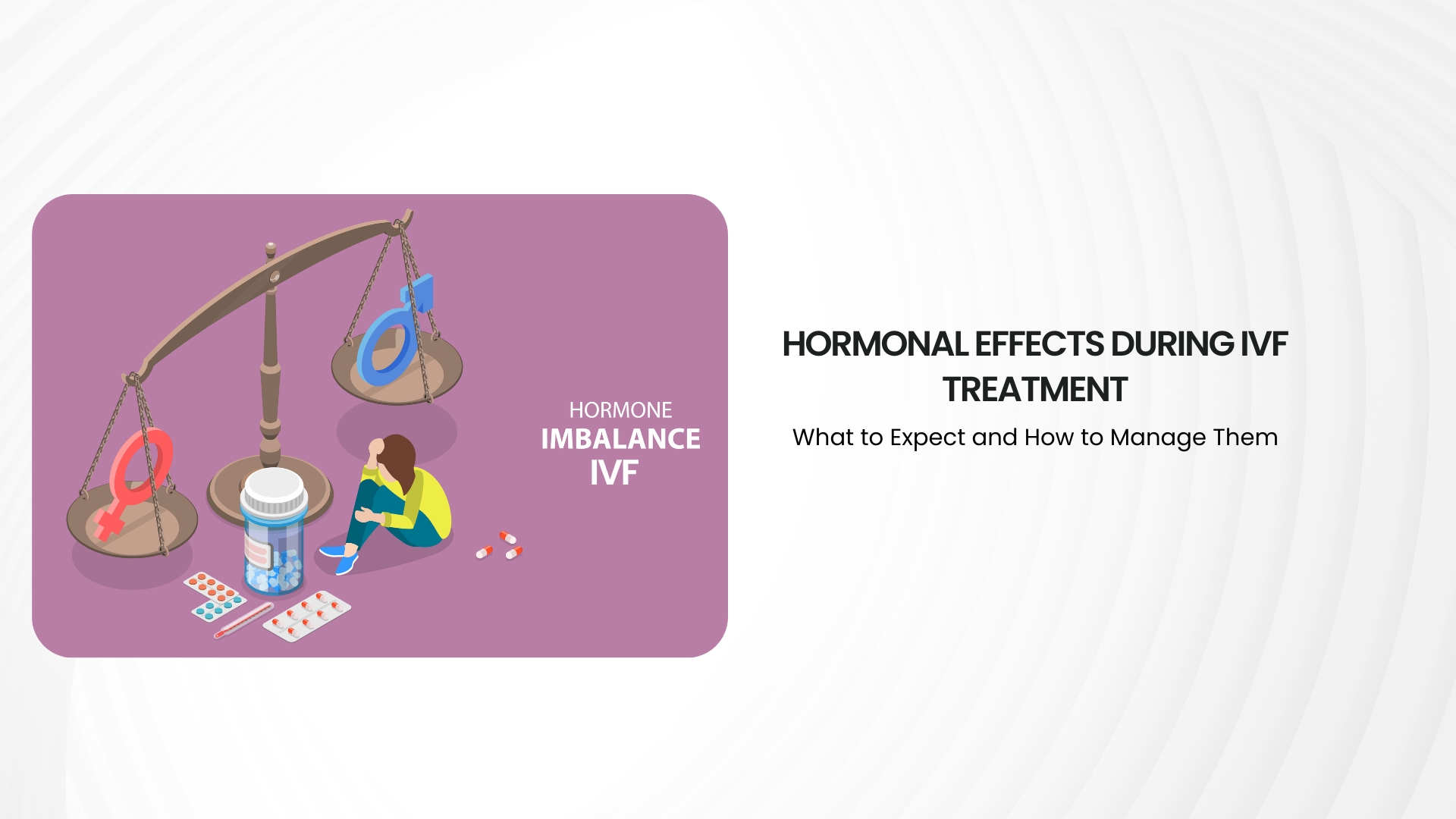
IVF works by carefully manipulating your reproductive hormones to produce multiple eggs, support fertilization, and prepare your uterus for an embryo. These hormones are medically necessary — but they can have a significant impact on how you feel physically, emotionally, and mentally throughout the process.
Understanding what these hormonal effects are, why they happen, and how to manage them is one of the most important ways to prepare for your IVF journey. At PSFC OMR, Chennai, we ensure every patient goes into treatment with a clear picture of what to expect.
Phase 1: Down-Regulation (Where Used)
Medications Used
GnRH agonists (such as Lupron or Buserelin nasal spray) or GnRH antagonists (such as Cetrotide or Ganirelix) are used to suppress your natural hormone cycle, preventing premature ovulation and allowing the ovaries to be stimulated on a controlled schedule.
Common Hormonal Effects
| Effect | Why It Happens | Duration |
| Hot flushes | Temporary oestrogen suppression | Until stimulation begins |
| Headaches | Hormonal fluctuation | 1–2 weeks |
| Mood changes (irritability, low mood) | Suppressed oestrogen affects mood regulation | Resolves with stimulation start |
| Fatigue | Hormonal shift and sleep disruption | 1–2 weeks |
| Vaginal dryness | Temporary oestrogen suppression | Resolves with stimulation |
Most patients find the down-regulation phase manageable. The side effects are temporary and resolve once stimulation hormones are introduced.
Phase 2: Ovarian Stimulation
Medications Used
FSH (follicle-stimulating hormone) and LH (luteinising hormone) are injected daily to stimulate the ovaries to produce multiple follicles simultaneously. This is the most hormonally intense phase of IVF.
Common Hormonal Effects
- Bloating and abdominal fullness: As follicles grow, the ovaries enlarge significantly — from their normal walnut size to sometimes grapefruit size. This causes noticeable bloating, pressure, and discomfort.
- Weight gain: Temporary fluid retention of 1–3 kg is common during stimulation. This resolves after egg retrieval.
- Breast tenderness: Rising oestrogen levels cause breast sensitivity similar to premenstrual symptoms.
- Emotional sensitivity: Elevated oestrogen and hormonal fluctuation can intensify emotions. Mood swings, tearfulness, irritability, and heightened anxiety are common and normal.
- Fatigue: The physical demands of producing multiple follicles, combined with frequent clinic visits and emotional pressure, cause significant fatigue in many patients.
- Headaches: Hormonally mediated. Usually manageable with paracetamol — aspirin and NSAIDs should be avoided during stimulation.
- Nausea: Some patients experience mild nausea, particularly in the first few days of stimulation. Usually mild and temporary.
Tip: Bloating and discomfort tend to peak 2–3 days before egg retrieval when the follicles are at maximum size. Loose, comfortable clothing and avoiding heavy exercise can help significantly.
Ovarian Hyperstimulation Syndrome (OHSS): What to Know
OHSS is a potential complication of ovarian stimulation. Mild OHSS affects approximately 20–30% of IVF patients and causes bloating and discomfort. Moderate to severe OHSS affects 1–5% of patients and requires medical attention.
Symptoms Requiring Immediate Contact With Your Clinic
- Severe abdominal pain and significant distension
- Nausea and vomiting preventing normal fluid intake
- Rapid weight gain (more than 1 kg per day)
- Decreased urine output
- Shortness of breath
Women with PCOS or high AMH are at higher risk for OHSS. Your specialist will monitor closely and may modify your protocol—including “triggering” a GnRH agonist instead of hCG— to reduce this risk.
Phase 3: The Trigger Injection
Medications Used
An hCG (human chorionic gonadotropin) or a GnRH agonist trigger is administered 36 hours before egg retrieval to complete the final maturation of eggs.
Common Hormonal Effects
- Increased bloating and pelvic pressure: The trigger accelerates follicle growth, and discomfort typically peaks on retrieval day.
- Emotional intensity: The imminent retrieval brings heightened anxiety and anticipation for most patients.
Phase 4: After Egg Retrieval
After retrieval, oestrogen levels drop sharply. This hormonal fall can cause:
- Mood dip or emotional crash — some women describe feeling unexpectedly tearful or low after retrieval, even if the procedure went well
- Continued bloating for a few days as the ovaries recover
- Mild cramping and spotting
These effects typically resolve within 3–5 days. Rest, hydration, and a high-protein diet (to reduce fluid shift risk) are recommended.
Phase 5: Luteal Phase Support and Progesterone
Medications Used
Progesterone suppositories, injections, or oral tablets are prescribed to support the uterine lining and maintain any resulting pregnancy.
Common Hormonal Effects
- Fatigue: Progesterone has a sedating effect — drowsiness and fatigue are among the most commonly reported symptoms.
- Bloating and breast tenderness: Progesterone continues the hormonal effects begun during stimulation.
- Mood changes: Progesterone can contribute to low mood, irritability, and emotional sensitivity — often described as “PMS but amplified.”
- Vaginal discharge or discomfort: Common with vaginal suppositories.
- Nausea: Some women experience mild nausea with oral progesterone.
Critically — many progesterone side effects overlap with early pregnancy symptoms. This makes the two-week wait particularly emotionally complex: symptoms are difficult to interpret and it is impossible to know from how you feel whether the transfer has worked.
Phase 6: The Two-Week Wait
This phase requires no additional medications beyond progesterone, but hormonally it remains active — and emotionally, it is often the most difficult part of the entire cycle.
Managing the Two-Week Wait
- Avoid home pregnancy tests before the 10–14 day mark — early tests can give misleading results due to residual hCG from the trigger injection
- Continue all medications exactly as prescribed — do not self-discontinue if you experience symptoms you interpret as a negative
- Engage in calming activities — gentle yoga, walking, reading, creative pursuits
- Limit online research about symptoms — it increases anxiety without providing useful information
- Lean on your support system — a partner, trusted friend, or fertility counsellor
Hormonal Effects on Mental Health: Taking This Seriously
IVF hormones do not just cause physical symptoms — they have documented effects on mental health. Research shows elevated rates of anxiety and depression during IVF treatment, with hormonal fluctuation playing a direct role alongside the emotional weight of the process itself.
These are not signs of weakness. They are predictable consequences of significant hormonal manipulation in the context of an emotionally high-stakes situation.
At PSFC OMR, Chennai, we offer integrated psychological support throughout IVF. We strongly encourage patients to access this support — not only when in crisis, but proactively, as part of a complete care plan.
How to Manage Hormonal Effects During IVF
| Effect | Management Strategy |
| Bloating | Loose clothing, high-protein diet, light walking, avoid carbonated drinks |
| Mood swings | Communicate openly with partner, journalling, mindfulness, counselling |
| Fatigue | Prioritise sleep, reduce non-essential commitments, rest when possible |
| Headaches | Paracetamol (avoid aspirin/NSAIDs), hydration, rest |
| Breast tenderness | Supportive bra, avoid pressure, wear soft fabrics |
| Nausea | Small frequent meals, ginger tea, avoid fatty or spicy foods |
| Anxiety (two-week wait) | Limit testing, fertility counselling, gentle exercise, social support |
Conclusion
The hormonal journey of IVF is real and significant. Understanding what to expect — and why it happens — removes the fear of the unknown and allows you to prepare practically and emotionally for each phase. Most hormonal effects are temporary, manageable, and a necessary part of the process that is working to give you the best possible outcome.
Your body is doing something extraordinary during IVF. The discomfort is real, the emotions are valid, and the strength it takes to go through this process is something every patient should be deeply proud of.
FAQs
Are the hormonal side effects of IVF dangerous?
Most hormonal side effects are mild to moderate and temporary. The main complication to watch for is moderate to severe OHSS, which requires medical attention. Your specialist will monitor you closely throughout stimulation to identify this early.