

Overcoming Guilt and Emotional Stress During IVF Treatment
 By Pearl Editor
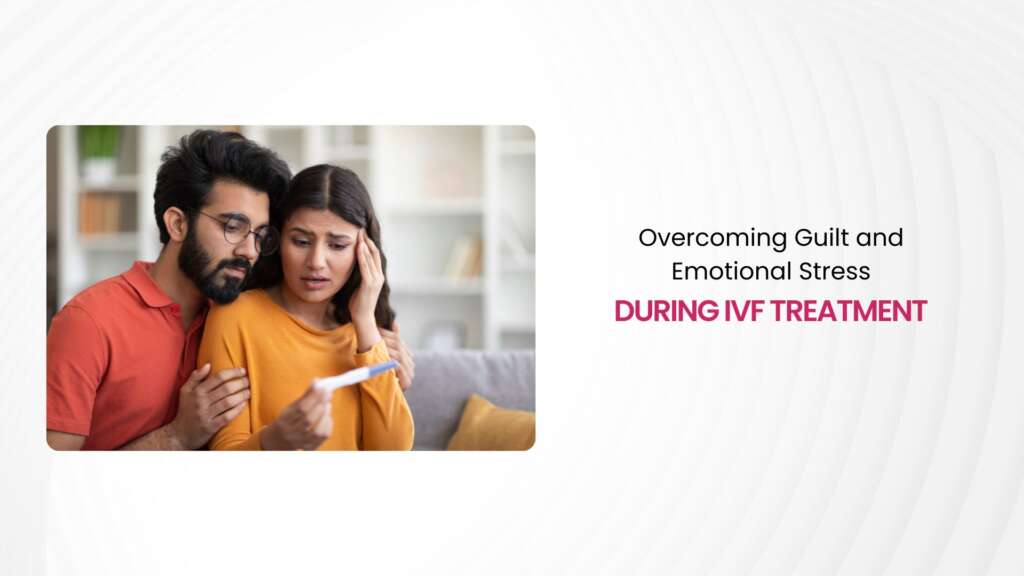
Introduction: The Emotional Side of IVF Nobody Talks About Enough
IVF is one of the most medically sophisticated treatments available to help couples build families — but it is also one of the most emotionally demanding. Behind every cycle of injections, every blood test, every embryo transfer, there is an enormous psychological weight that rarely gets the attention it deserves.
Guilt, in particular, is a deeply common but rarely discussed experience. At PSFC OMR, Chennai, we believe that emotional care is not a secondary concern — it is integral to the treatment itself. This guide explores where guilt and stress come from during IVF, and what actually helps.
Where Does the Guilt Come From?
Guilt Directed Inward
Many patients blame themselves for their fertility situation. Women may wonder whether past contraceptive choices, a previous termination, delayed childbearing, or lifestyle factors caused their infertility. Men may feel they have “failed” their partner by having low sperm counts. These thoughts are understandable — but they are almost always unhelpful and frequently inaccurate.
Infertility has biological, genetic, and often unexplained causes. It is not a punishment and not a consequence of personal failure.
Guilt Directed Toward a Partner
When infertility lies primarily with one partner, the other may feel guilt for putting their partner through treatment — particularly the woman, who bears the physical burden of injections, procedures, and hormonal fluctuation. This can create an unspoken but damaging dynamic in the relationship.
Social and Cultural Pressure
In many communities — particularly across India — the expectation to conceive quickly after marriage is significant. Comments from family members, comparisons with peers who conceive easily, and cultural narratives about parenthood can compound personal feelings of inadequacy. The weight of external expectations adds a layer of guilt that has nothing to do with medicine and everything to do with social context.
Recognising the Signs of IVF-Related Emotional Stress
Emotional stress during IVF can manifest in several ways:
- Persistent anxiety, particularly around treatment milestones (egg collection, transfer, the two-week wait)
- Withdrawal from social situations, especially those involving pregnant friends or babies
- Relationship tension and communication difficulties with a partner
- Sleep disturbance, loss of appetite, or difficulty concentrating at work
- Disproportionate feelings of despair after receiving any uncertain news
These are normal responses to an abnormal situation. Recognising them is the first step toward managing them.
Evidence-Based Strategies That Help
1. Psychological Counselling
Research consistently shows that psychological support during IVF improves emotional outcomes and may improve treatment outcomes. Cognitive Behavioural Therapy (CBT), in particular, has shown benefit in reducing anxiety and improving coping skills in fertility patients. At PSFC OMR, Chennai, counselling support is available throughout the treatment journey.
2. Open Communication With Your Partner
Fertility treatment can strain even strong relationships if couples do not communicate openly about their fears, expectations, and coping strategies. Scheduling time to talk — not just about the treatment, but about how you each feel — can prevent resentment and isolation from building. Consider agreeing in advance on how you will support each other through difficult milestones.
3. Mindfulness and Stress Reduction
Mindfulness-based interventions have demonstrated measurable effects on cortisol levels, anxiety, and psychological wellbeing in IVF patients. Even simple practices — 10 minutes of guided meditation per day, mindful breathing, gentle yoga — can make a meaningful difference to emotional resilience across a treatment cycle.
💡 Tip: Apps such as Headspace or Calm offer fertility-specific guided meditations that many patients find helpful during the two-week wait.
4. Reduce Information Overload
The internet provides an endless supply of IVF statistics, success stories, and cautionary tales. Excessive research — particularly in the two-week wait — tends to increase anxiety rather than provide comfort. Agree with yourself to limit searching and direct your questions to your clinical team instead.
5. Peer Support and Community
Connecting with others who are going through IVF — whether through support groups, trusted friends, or moderated online communities — can reduce the sense of isolation that many patients experience. Knowing that your feelings are shared by thousands of others going through the same process is genuinely helpful.
A Note to Partners
Partners who are not undergoing the physical demands of IVF can sometimes feel helpless or unsure of how to support. The most important things are to listen without trying to fix, to be present at appointments wherever possible, and to acknowledge the physical and emotional burden your partner is carrying. Your presence matters more than your words.
When to Seek Additional Support
If emotional distress during IVF is significantly affecting your ability to function — at work, in relationships, or in daily life — please speak to your care team. A referral to a fertility-specialist psychologist or psychiatrist may be appropriate. There is no shame in needing more support than self-care alone can provide.
Conclusion
Guilt and emotional stress during IVF are not signs of weakness — they are signs that you care deeply about something that matters profoundly. Acknowledging these feelings and actively seeking support for them is not a distraction from your treatment; it is part of it.
You deserve to be cared for as a whole person — not just as a patient. At PSFC OMR, Chennai, your emotional wellbeing is as important to us as your clinical outcomes.
FAQs
Is it normal to feel anxious throughout the entire IVF process?
Yes. Anxiety during IVF is nearly universal. It is not a sign that something is wrong with you — it is a natural response to high-stakes uncertainty. Structured support helps manage it.
Can emotional stress affect IVF outcomes?
Should both partners attend counselling?
How do I deal with intrusive comments from family about IVF?
