

IVF Failed? What to Know Before Trying Again
 By Pearl Editor
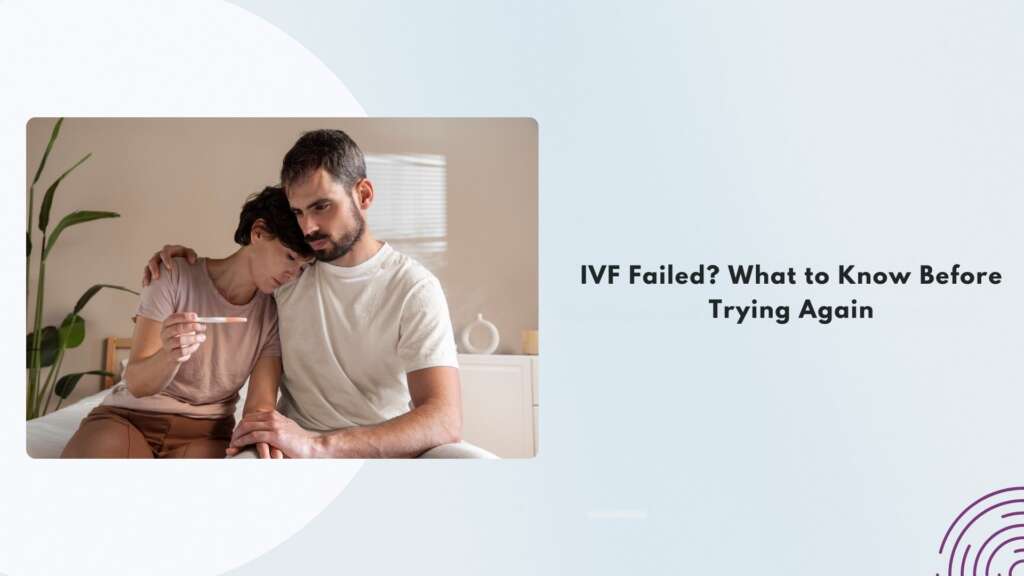
A failed IVF cycle is one of the most emotionally difficult experiences a person or couple can go through. You’ve invested months of preparation, significant cost, physical discomfort, and enormous hope—and the result isn’t the one you needed. The grief that follows is real and it deserves to be acknowledged before anything else.
But here is something equally important to understand: a failed IVF cycle is not a failed fertility journey. It is, in the language of reproductive medicine, a data point — a clinical event that tells your doctor something specific and actionable about what needs to change in the next attempt.
IVF success is cumulative. A large 2019 study published in JAMA tracking 156,947 IVF cycles found that cumulative live birth rates after six cycles reached 65.3% — far higher than the per-cycle rates that most people focus on. Many patients who achieve pregnancy do so on the second, third, or even fourth attempt. The first cycle rarely tells the whole story.
This guide explains what IVF failure actually means clinically, the most common reasons it occurs, when and how to approach a second cycle, and the evidence-backed changes that meaningfully improve outcomes the next time.
A single failed IVF cycle carries a 30–40% success rate per attempt for women under 35. Cumulative success across multiple cycles rises to over 65% after six attempts. IVF failure is common, expected, and clinically informative — most causes are identifiable and addressable before the next cycle.
What Does IVF Failure Actually Mean?
Before processing what comes next, it helps to understand precisely what failure means in clinical terms—because it means something more specific than most people realise.
IVF failure refers to any cycle that does not result in a confirmed, ongoing pregnancy. This covers several different outcomes: a cycle where no eggs fertilised, a cycle where embryos were transferred but didn’t implant, a chemical pregnancy (a positive blood test that doesn’t progress), or an early miscarriage following embryo transfer.
Each of these outcomes has different clinical implications and points to different factors that may need investigation. A cycle that produced poor-quality embryos tells your doctor something different from a cycle that produced good-quality blastocysts that failed to implant. Understanding which type of failure occurred is the essential first step before planning any next attempt.
This is why a thorough review of your first cycle — not just a general consolation — is the most important medical conversation you can have after a failed IVF.
Most couples leave a failed IVF cycle review wanting emotional reassurance. What they actually need—alongside that reassurance—is a specific clinical breakdown: how many eggs were retrieved, how many fertilised, what embryo grade was achieved, how the uterine lining looked on transfer day, and whether genetic testing was performed. These details shape the entire strategy for cycle two. Asking for this data isn’t pessimistic; it’s the most hopeful thing you can do.
Why Does IVF Fail? The Most Common Reasons
IVF failure has identifiable causes in the majority of cases. Understanding these categories helps couples stop searching for blame — in themselves, their bodies, or their choices — and instead focus on what can be investigated and addressed.
1. Chromosomal Abnormalities in the Embryo
This is the most common reason IVF cycles fail, accounting for up to 50–60% of failed implantations, according to data from the American Society for Reproductive Medicine. Most chromosomally abnormal embryos fail to implant or result in very early miscarriage—a biological mechanism that, while devastating to experience, actually represents the body’s quality control system preventing non-viable pregnancies from progressing.
The risk of chromosomal abnormality increases with maternal age. Eggs from women over 37 carry a significantly higher rate of aneuploidy (abnormal chromosome number), which is the primary reason success rates per cycle decline with age.
Preimplantation Genetic Testing for Aneuploidy (PGT-A) can screen embryos for chromosomal abnormalities before transfer—selecting only euploid (chromosomally normal) embryos. This single change has been shown to improve implantation rates and reduce miscarriage risk substantially in patients with recurrent implantation failure.
2. Egg and Sperm Quality
Beyond chromosomal status, the overall quality of eggs and sperm affects every stage of the IVF process — fertilisation rate, embryo development rate, and blastocyst formation rate. Poor egg quality is most closely tied to age and ovarian reserve but is also influenced by oxidative stress, nutritional deficiencies, and lifestyle factors that are genuinely modifiable in the months before a second cycle.
Sperm DNA fragmentation — damage to the genetic material within sperm that isn’t visible in a standard semen analysis — is an underdiagnosed contributor to IVF failure and early pregnancy loss. A DNA fragmentation index (DFI) test is worth discussing with your doctor if standard semen analysis looks normal but cycles are still failing.
3. Implantation Failure
Even a chromosomally normal, good-quality embryo needs a receptive uterine environment to implant successfully. Implantation failure—where embryos fail to attach to the uterine lining—can stem from:
- An endometrial lining that is too thin or has an abnormal pattern
- Undiagnosed uterine abnormalities such as fibroids, polyps, or a septum
- Endometritis (chronic low-grade inflammation of the uterine lining)
- An immune response that treats the embryo as a foreign body
The Endometrial Receptivity Analysis (ERA) test — which analyses the genetic expression of the uterine lining to identify the precise implantation window — has become an important diagnostic tool for women with recurrent implantation failure. Transferring embryos in a personalized window rather than a standard protocol improves implantation rates for women whose windows are non-standard.
4. Hormonal Imbalance
Hormones govern every phase of an IVF cycle — ovarian stimulation, egg maturation, endometrial preparation, and embryo support after transfer. Thyroid dysfunction, elevated prolactin, progesterone insufficiency during the luteal phase, and poor response to stimulation medications can each undermine outcomes at different points.
A thorough hormonal review—including thyroid function, prolactin, AMH, and luteal phase progesterone support — before a second cycle catches abnormalities that are often missed in standard pre-IVF workups.
5. Age and Ovarian Reserve
Age is the single most significant predictor of IVF success. Success rates per cycle for women under 35 typically range from 40–50% at experienced centres. For women 35–37, that figure drops to 30–40%. For women over 40, per-cycle rates drop to 10–20%, though cumulative rates across multiple cycles remain more encouraging.
Ovarian reserve — measured by AMH and antral follicle count — predicts how many eggs a stimulation cycle will produce and influences the number of embryos available for selection.
Citation capsule: A 2019 study published in JAMA tracking 156,947 IVF cycles found cumulative live birth rates reached 65.3% after six cycles — significantly higher than any individual cycle rate. The American Society for Reproductive Medicine estimates chromosomal abnormality accounts for 50–60% of failed implantations. These statistics reframe IVF failure not as a dead end, but as a statistically expected step in a cumulative process with genuinely strong overall outcomes.
When Is the Right Time to Try Again?
There is no single clinical answer to this question — because the “right time” has two distinct components that are equally important and that are often treated as separate when they shouldn’t be.
The Physical Recovery Window
Most reproductive specialists recommend waiting for one to two complete menstrual cycles before beginning another stimulation protocol. This allows the ovaries to recover from hyperstimulation, the uterine lining to reset, and baseline hormone levels to normalise. In practice, this means a waiting period of approximately 6–12 weeks.
For women who experienced ovarian hyperstimulation syndrome (OHSS) in their first cycle, a longer recovery period and a modified stimulation protocol in the next cycle are both warranted.
The Emotional and Psychological Readiness
This is where clinical guidance often falls short—and where couples’ needs are most frequently underserved. Research published in Human Reproduction (2014) found that psychological distress is the primary reason couples discontinue IVF treatment, even when clinical success is still achievable. Emotional readiness isn’t a soft concern; it directly affects the experience of treatment and, through stress hormones and cortisol, potentially the outcomes.
There is no rush. Some couples are ready to begin again immediately after physical recovery. Others need weeks or months to grieve the failed cycle, rebuild their emotional reserves, and reconnect with their reasons for continuing. Both timelines are valid. A clinic that pressures you to proceed before you feel ready is not serving your best interests.
The conversation about “when to try again” should include a third element that rarely comes up: the investigative gap. Retrying immediately after a failed cycle without reviewing what happened and making protocol adjustments means repeating the same conditions that didn’t work. The 6-12 week physical recovery window is the right time to run the additional tests, review the cycle data, and design a genuinely different approach—not simply schedule another cycle.
What Should You Review Before a Second IVF Cycle?
A second cycle should never be a simple repeat of the first. The data from your first attempt is clinically valuable — use it.
Review Your Cycle Data in Detail
Ask your doctor to walk through:
- Total eggs retrieved and mature (MII) egg count
- Fertilisation rate and Day 3 embryo quality
- Blastocyst formation rate and embryo grades
- Endometrial lining thickness and pattern on transfer day
- Progesterone levels on trigger and transfer day
- Whether PGT-A testing was performed and results if so
Each metric points to a different potential adjustment. Poor blastocyst formation suggests a lab protocol or egg quality issue. Good embryos with failed implantation suggests a uterine receptivity investigation. Low mature egg yield suggests a stimulation protocol change.
Consider Additional Diagnostic Tests
Depending on your cycle data, your doctor may recommend:
- Hysteroscopy — direct visualisation of the uterine cavity to rule out polyps, fibroids, or a septum
- ERA test—identifies your personalised implantation window
- Sperm DNA fragmentation test — assesses DNA damage not captured in standard semen analysis
- Immune panel — tests for NK cell activity or antiphospholipid antibodies in cases of recurrent failure
- Karyotyping — chromosomal analysis of both partners for genetic factors affecting embryo quality
Update Your Medical Records
Any new diagnoses, medications, or health changes since your first cycle should be communicated to your fertility team before the next begins. Something as common as a thyroid level shift or a new supplement can affect cycle outcomes.
Lifestyle Changes That Genuinely Improve IVF Success
The 10–12 weeks between cycles is the most strategically valuable period you have. Egg quality is directly influenced by conditions in the 90 days before retrieval — meaning the lifestyle you maintain now shapes the eggs collected in your next cycle.
Nutrition — Build the Foundation
A fertility-supportive diet in the weeks before IVF has measurable effects on egg quality and embryo development. Focus on:
- Folate-rich greens (spinach, moringa, drumstick leaves) — critical for DNA synthesis in developing eggs
- Antioxidant-rich fruits (berries, pomegranate, kiwi) — protect eggs from oxidative damage
- Healthy fats (avocado, olive oil, walnuts, fatty fish) — support hormone production and oocyte membrane quality
- Lean proteins (eggs, lentils, fish, legumes)—provide amino acids for cell development
Reduce or eliminate processed foods, trans fats, excess sugar, and refined carbohydrates — all of which increase inflammation and oxidative stress in follicular tissue.
Exercise — Consistent, Moderate, Non-Exhausting
Regular moderate exercise — walking, yoga, swimming, light strength training — improves insulin sensitivity, reduces cortisol, supports healthy body weight, and enhances circulation to the reproductive organs. Heavy, intense exercise during stimulation and after transfer is not recommended — but gentle daily movement throughout the preparation window is genuinely beneficial.
Sleep—Prioritize the Timing, Not Just the Hours
As discussed in sleep and fertility research, sleeping before 11 PM supports optimal melatonin production—which directly protects egg quality. Chronic late-night sleep patterns elevate cortisol and disrupt the hormonal cascade that governs ovulation and implantation. The preparation window before a second cycle is the right time to reset your sleep schedule.
Stress Reduction — Take It Seriously
Chronic psychological stress elevates cortisol, which suppresses reproductive hormones and has been shown in multiple studies to reduce IVF success rates. This doesn’t mean you need to eliminate all stress — that’s neither realistic nor necessary. It means building active stress management into your daily routine:
- Mindfulness or meditation (even 10 minutes daily has documented cortisol-lowering effects)
- Talking to a therapist or counsellor experienced in fertility-related grief
- Journaling to process emotions rather than suppressing them
- Setting boundaries on how much time you spend in fertility forums or comparison cycles
Eliminate Toxic Habits Completely
Smoking, alcohol, and recreational drugs all have documented negative effects on egg quality, sperm DNA integrity, implantation rates, and miscarriage risk. The preparation window before a second cycle is the time to eliminate these entirely—for both partners.
Citation capsule: Research published in Human Reproduction (2014) identified psychological distress as the primary reason couples discontinue IVF despite remaining clinical candidates for success. Separately, studies confirm that egg quality is directly influenced by conditions in the 90 days preceding retrieval — including nutrition, sleep timing, oxidative stress, and lifestyle factors. This makes the period between cycles one of the highest-leverage windows for improving outcomes in a subsequent attempt.
Frequently Asked Questions
Is it safe to do IVF multiple times?
Yes — multiple IVF cycles are safe for the vast majority of women. Large-scale studies including the 2019 JAMA analysis of nearly 157,000 cycles have not found evidence that repeated IVF cycles cause long-term health harm. Cumulative success rates rise significantly with each additional attempt, which is why persistence — when clinically appropriate — is supported by the evidence.
How many IVF cycles should I try before exploring other options?
There is no universal answer, but most reproductive specialists suggest a thorough clinical review after two to three failed cycles before considering significant protocol changes or alternatives such as donor eggs, donor sperm, or surrogacy. The decision depends on your age, ovarian reserve, embryo quality history, and specific failure pattern — all of which your specialist can assess.
Can lifestyle changes really improve IVF success rates?
Yes — within clinically meaningful limits. Lifestyle changes cannot overcome severe ovarian insufficiency or chromosomal factors, but they can meaningfully improve egg quality, sperm DNA integrity, and uterine receptivity—all of which affect IVF outcomes. Studies show that women who maintain a healthy weight, reduce oxidative stress, and improve sleep quality in the months before IVF show better stimulation response and embryo quality.
What is the success rate of a second IVF cycle after failure?
Per-cycle success rates for second IVF cycles are broadly similar to first cycles—the cycle number itself is less predictive than the underlying cause of the first failure and whether it has been addressed. When protocol adjustments are made based on first-cycle data, second-cycle outcomes frequently improve. Cumulative live birth rates across multiple cycles significantly exceed any single-cycle rate.
When should I consider PGT-A genetic testing for embryos?
PGT-A is particularly recommended for women over 35, women with recurrent implantation failure, couples with recurrent miscarriage, and anyone who has had previous chromosomally abnormal pregnancies. By screening blastocysts before transfer, PGT-A allows the selection of chromosomally normal embryos — improving implantation rates and reducing miscarriage risk for these specific groups.
The Bottom Line
A failed IVF cycle is painful, but it is not the end of the road — and it is not evidence that pregnancy is impossible for you. It is clinical information that, when properly analysed, points directly to what needs to change in the next attempt.
The couples who go on to succeed after one or more failed cycles share several things in common: they reviewed the data from their first cycle in detail, they gave themselves permission to grieve and recover before rushing into the next attempt, they made meaningful lifestyle changes in the preparation window, and they worked with a team that took the time to investigate before simply repeating.
Key takeaways:
- Cumulative IVF success rates rise to 65.3% after six cycles—the first failure is not the whole picture
- The most common causes of failure — chromosomal abnormality, implantation issues, hormonal imbalance — are identifiable and often addressable
- Wait 1–2 cycles for physical recovery; take the emotional time you genuinely need
- Review cycle data in detail and consider additional diagnostic tests before proceeding
- The 90-day window before egg retrieval is your highest-leverage opportunity to improve egg quality through lifestyle changes
- A different protocol, not a repeated one, gives a second cycle the best chance
If you’ve experienced a failed IVF cycle and want to understand what happened, what needs to change, and what your options look like going forward, the PSFC team is here to help you build a clearer picture and a better plan.
Visit PSFC Fertility Centre to book a consultation and take the next step with clarity and expert guidance.
