

Foods That Help and Harm Your Fertility
 By Pearl Editor
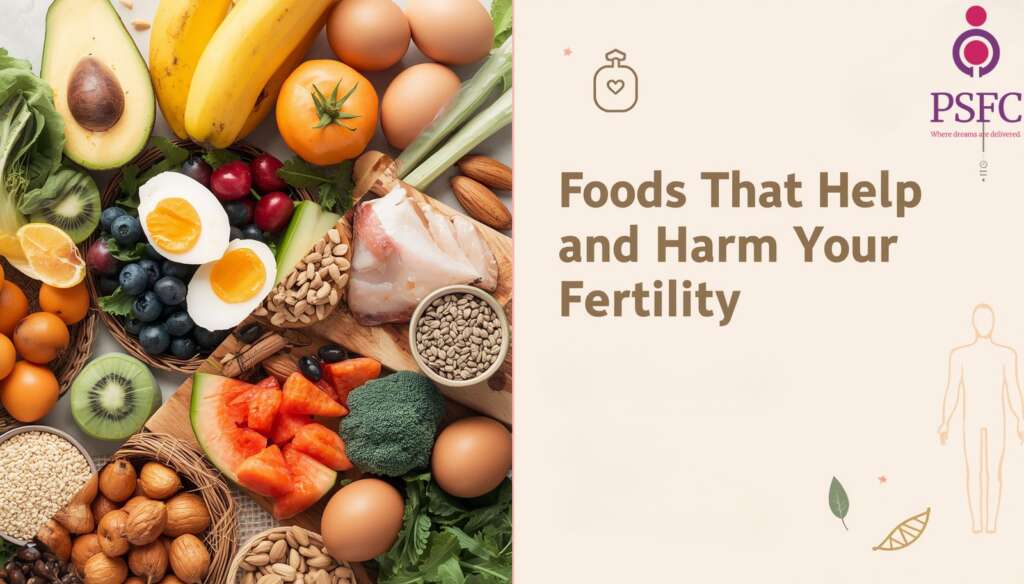
You’ve heard that you are what you eat. When it comes to fertility, that saying carries more weight than most people realise. Food doesn’t just fuel your body—it literally builds the eggs and sperm that could become your child, regulates the hormones that govern your reproductive cycle, and shapes the internal environment where a baby needs to grow.
The good news? You have more control here than you might think.
A growing body of research shows that dietary choices can meaningfully improve egg quality, sperm count, hormonal balance, and conception rates—sometimes within just a few months of consistent changes. On the flip side, certain common foods quietly undermine these same systems, often without any obvious symptoms until conception proves harder than expected.
This guide breaks down exactly which foods to prioritise, which to avoid, why each one matters physiologically, and how couples can build a fertility-supportive plate—starting with their next meal.
A Harvard Nurses’ Health Study tracking 17,544 women found that dietary patterns rich in plant protein, healthy fats, and whole grains were associated with a 66% lower risk of ovulatory infertility. What you eat in the months before conception directly shapes egg quality, sperm health, and hormone regulation.
Why Does Food Matter So Much for Fertility?
Nutrition is one of the most direct levers you have over your reproductive health—and the science behind it is more specific than most people expect. A landmark study published in Human Reproduction (2018) found that women who followed a “pro-fertility diet” high in vegetables, whole grains, and fish were 40% more likely to achieve a clinical pregnancy than those with poor dietary patterns.
Here’s why: your body needs a continuous supply of specific micronutrients to produce healthy eggs and sperm, synthesise reproductive hormones like estrogen, progesterone, and testosterone, support uterine lining development, and reduce oxidative stress—a key driver of cell damage in both eggs and sperm.
When those nutrients are missing or crowded out by inflammatory foods, every one of these processes takes a hit. Fertility isn’t just about whether you ovulate—it’s about whether your body has the raw materials to do it well.
Most couples focus on timing intercourse correctly but overlook the 90-day window before conception—the period during which both egg follicles and sperm are developing. What you eat right now is literally building the cells that will determine conception success months from now.
Which Foods Support Female Fertility?
Women with higher intakes of folate, iron, antioxidants, and healthy fats show significantly better ovulatory function, according to a 2019 review in Nutrients covering over 50 studies on diet and female fertility. These aren’t obscure supplements—they’re foods you can find in any Indian kitchen or local market.
1. Dark Leafy Greens — The Folate Foundation
Spinach, broccoli, drumstick leaves (moringa), and lettuce are among the most fertility-dense foods available. They’re packed with folate—the natural form of folic acid—which is critical for healthy egg development, DNA synthesis in early embryos, and prevention of neural tube defects in the first weeks of pregnancy (often before a woman even knows she’s pregnant).
Iron is equally abundant in these greens. Iron deficiency affects ovulation directly—studies show that women with adequate iron intake have significantly lower rates of ovulatory infertility. Moringa in particular, well-known in South Indian cooking, contains iron, calcium, vitamin C, and amino acids in concentrations that rival pharmaceutical supplements.
Try adding a handful of spinach to your morning smoothie, using drumstick leaves in sambar, or simply steaming broccoli as a side. Daily exposure is the goal.
2. Healthy Fats — The Hormone Builders
Your reproductive hormones are made from fat. Without adequate dietary fat—specifically the right kinds—hormone production falters. Avocados, olive oil, nuts, seeds, and fatty fish provide the monounsaturated and polyunsaturated fats that support estrogen and progesterone synthesis.
A Fertility and Sterility (2022) study found that women who replaced just 5% of their daily carbohydrate calories with monounsaturated fats showed a 3.4-fold improvement in live birth rates during IVF cycles. That’s a remarkable return for a simple swap.
In practical terms: cook with olive oil or cold-pressed coconut oil instead of refined seed oils. Add a small handful of mixed nuts as a snack. Include fatty fish like sardines or salmon twice a week.
3. Antioxidant-Rich Fruits — Protecting Your Eggs
Eggs spend years maturing in the ovaries, exposed to ongoing oxidative stress from the environment, inflammation, and metabolic processes. Antioxidants are the body’s defence system against this damage—and the richest sources are fruits like berries, pomegranate, oranges, kiwi, and apples.
Vitamin C and E, both found in these fruits, are specifically associated with improved follicular fluid quality—the environment directly surrounding each developing egg. Pomegranate, popular in Indian households, is particularly rich in punicalagins and ellagic acid, compounds shown in early clinical research to support uterine lining health.
Many women focus on antioxidants only when starting IVF. But egg quality is determined months before retrieval. The antioxidants you eat now are protecting eggs that won’t ovulate for another 3-4 months. Starting early makes a genuine biological difference.
4. Whole Grains and Blood Sugar Stability
Blood sugar spikes—common with refined carbohydrates—trigger insulin surges that disrupt the hormonal balance governing ovulation. Whole grains like brown rice, oats, millets, quinoa, and wheat stabilise blood glucose, keeping insulin and reproductive hormones in balance.
This is especially relevant for women with PCOS, where insulin resistance is a core driver of hormonal dysfunction. Switching from white rice to millets like ragi or jowar, or from white bread to whole wheat, creates a measurable improvement in insulin sensitivity over 8-12 weeks.
5. Iron and Folate Powerhouses
Dates, beetroot, beans, and lentils round out the female fertility plate with concentrated doses of iron and B vitamins. Two to three soaked dates daily is a traditional practice backed by genuine nutritional merit—dates are rich in iron, natural sugars that release slowly, and fiber that supports gut health and hormonal clearance.
Citation capsule: A 2019 review in Nutrients analyzing over 50 studies found that women consuming higher levels of folate, iron, and dietary antioxidants had significantly better ovulatory function and conception rates. Foods like spinach, moringa, lentils, and berries—easily accessible in Indian diets—directly support egg quality and hormonal balance, making nutrition one of the most accessible and evidence-backed fertility interventions available.
Which Foods Support Male Fertility?
Male fertility is often treated as secondary in conception planning—but sperm health is responsible for roughly 40-50% of infertility cases, according to the World Health Organisation. The encouraging finding from research is that sperm quality responds to dietary changes within 70-90 days—one complete sperm development cycle.
1. Zinc-Rich Foods — The Testosterone Catalyst
Zinc is arguably the single most important mineral for male reproductive health. It’s required for testosterone synthesis, sperm production, and sperm motility. Low zinc is directly associated with low sperm count and poor morphology.
Pumpkin seeds are one of the richest plant-based zinc sources available—a small handful daily provides a meaningful contribution toward the recommended 11 mg/day for men. Other excellent sources include eggs, beans, nuts, and seafood. Including even one zinc-rich food per meal creates a consistently supportive hormonal environment.
2. Omega-3 Fatty Acids — Building Better Sperm
Sperm cells are unusually rich in a specific omega-3 fatty acid called DHA, which is critical for sperm membrane flexibility and motility. Men with lower DHA levels consistently show reduced sperm motility in clinical studies.
Salmon, sardines, walnuts, chia seeds, and flaxseeds are the top sources. For men who don’t eat fish regularly—common in vegetarian Indian households—a tablespoon of ground flaxseeds in morning porridge or yogurt provides a practical daily dose of plant-based omega-3s.
3. Lycopene-Rich Foods — The Sperm Protector
Tomatoes deserve a specific mention for men. Lycopene, the compound that gives tomatoes their red colour, has been shown in multiple trials to improve sperm concentration, motility, and morphology. A British Journal of Urology International (2012) trial found that lycopene supplementation improved sperm quality in 70% of previously infertile men.
Cooked tomatoes actually provide more bioavailable lycopene than raw ones—making the Indian tradition of cooking tomatoes in curries and dals genuinely fertility-supportive. Carrots and watermelon are additional lycopene sources worth including regularly.
4. Selenium for Sperm Formation
Selenium plays a structural role in sperm tail formation—a deficiency literally compromises the physical ability of sperm to swim. Brazil nuts are the most concentrated source (just two Brazil nuts meet the daily requirement). Tuna, eggs, and brown rice are also reliable sources for daily inclusion.
Citation capsule: The World Health Organisation estimates that male-factor infertility contributes to 40-50% of all infertility cases globally. Research shows that dietary zinc, selenium, omega-3 fatty acids, and lycopene directly improve sperm count, motility, and morphology—changes that become measurable within one 70-90 day sperm development cycle. Diet is one of the fastest, most accessible tools for improving male fertility outcomes.
What Foods Harm Female Fertility?
Knowing what to add to your diet matters—but so does knowing what to reduce. These aren’t foods to obsess over or eliminate entirely, but consistently high intake of the following creates real, documented interference with female reproductive function.
Processed and Junk Foods
Chips, packaged snacks, instant noodles, and frozen processed meals are high in refined seed oils, artificial additives, and trans fats. These compounds increase systemic inflammation—and chronic inflammation is directly associated with poorer egg quality and disrupted implantation.
One 2018 study in Human Reproduction found that women who ate fast food four or more times per week took nearly twice as long to conceive as those who rarely ate it. That’s a substantial fertility cost for a dietary habit many people don’t even register as problematic.
Excess Sugar and Refined Carbohydrates
Soft drinks, pastries, candy, sugary cereals, and sweetened beverages cause rapid blood sugar spikes that trigger insulin surges. For women with PCOS—where insulin resistance is already elevated—these foods directly worsen androgen levels, disrupt ovulation, and make weight management harder.
Even in women without PCOS, chronically high insulin suppresses sex hormone binding globulin (SHBG), which increases free estrogen and creates hormonal imbalance. Swapping sugary drinks for coconut water or plain water with lemon is a simple, high-impact substitution.
Trans Fats and Fried Foods
French fries, fried chicken, commercial baked goods, and foods made with hydrogenated oils contain trans fats that block the cellular receptors responsible for hormone signaling. They’re also pro-inflammatory in a way that standard saturated fats are not.
The Harvard Nurses’ Health Study found that each 2% increase in trans fat calories—replacing other energy sources—was associated with a 73% higher risk of ovulatory infertility. That’s one of the strongest dietary-fertility associations in the research literature.
Alcohol, Smoking, and Excess Caffeine
Alcohol disrupts estrogen and progesterone balance, impairs liver function (which metabolises hormones), and reduces egg quality. Smoking accelerates ovarian aging and depletes antioxidant reserves. Even moderate caffeine intake—more than 200mg per day—has been associated with reduced conception rates in some studies.
Limiting coffee to one cup per day and eliminating alcohol and tobacco during conception attempts is one of the clearest, most evidence-backed recommendations in reproductive medicine.
What Foods Harm Male Fertility?
Processed Meats
Sausages, bacon, salami, and processed frozen meats are high in saturated fats, nitrates, and hormonal residues that disrupt testosterone and sperm production. A Harvard study found that men who ate the most processed meat had 23% lower sperm morphology than those who rarely consumed it.
Excess Alcohol and Sugary Drinks
Heavy alcohol intake reduces testosterone and suppresses sperm production. Sugary sodas, energy drinks, and dessert foods cause insulin spikes that negatively affect hormone balance and sperm DNA integrity.
High-Mercury Fish
Shark, swordfish, and king mackerel accumulate mercury in concentrations that are genuinely toxic to sperm DNA. These fish are worth avoiding entirely when actively trying to conceive. Low-mercury alternatives like sardines, salmon, and tilapia provide the omega-3 benefits without the risk.
Citation capsule: A Harvard study published in Epidemiology found that men consuming the highest amounts of processed meat had 23% lower normal sperm morphology. In contrast, men with high fish and antioxidant intake showed significantly better sperm parameters. Diet represents a modifiable, low-cost intervention with measurable impact on male fertility within a single sperm development cycle.
Traditional Indian Foods That Naturally Support Fertility
India has a rich nutritional tradition that—when followed with intention—aligns remarkably well with modern fertility nutrition science. Several everyday foods in Indian households deserve recognition as genuine fertility allies:
- Soaked almonds — rich in vitamin E, healthy fats, and antioxidants that protect reproductive cells
- Dates—iron, natural sugars, and fibre; a traditional pre-conception food with solid nutritional backing
- Sesame seeds (til) — high in zinc and calcium; easily added to chutneys, salads, or ladoos
- Homemade curd (dahi) — probiotic-rich, supports gut health and the hormonal clearance the gut microbiome facilitates
- Coconut water — natural electrolytes and hydration without the insulin spike of sugary drinks
- Methi (fenugreek)—helps regulate blood sugar and has phytoestrogen activity that may support hormonal balance
- Millets (ragi, jowar, bajra)—complex carbohydrates with iron, magnesium, and fibre; far superior to white rice for blood sugar management
- Moong dal — light, protein-rich, and easy to digest; excellent plant protein source for hormone support
- Ghee in moderation- provides fat-soluble vitamins A, D, E, and K, all important for reproductive health
Patients at PSFC who incorporate even 3-4 of these traditional Indian foods consistently into their daily meals often report improvements in energy, cycle regularity, and overall wellbeing within 6-8 weeks—well before any medical intervention begins. A return to traditional eating patterns, rather than exotic supplements, is frequently all that’s needed to meaningfully shift the nutritional foundation of fertility. –>
Frequently Asked Questions
Can diet alone fix fertility problems?
Diet alone cannot resolve structural fertility issues like blocked tubes, severe endometriosis, or azoospermia. However, nutritional improvements can meaningfully support ovulation, egg quality, sperm health, and hormonal balance—creating better conditions for both natural conception and assisted reproductive treatments like IVF or IUI.
How long does it take for dietary changes to improve fertility?
For women, hormonal improvements and better cycle regularity can appear within 1-2 menstrual cycles (4-8 weeks) of consistent dietary changes. For men, sperm quality responds within 70-90 days—one full sperm development cycle. This means both partners should ideally begin dietary changes at least 3 months before actively trying to conceive.
Is the Mediterranean diet good for fertility?
Yes—the Mediterranean diet is one of the most extensively studied dietary patterns in fertility research. A 2019 study in Human Reproduction found that women who closely followed a Mediterranean diet had a 65-68% higher probability of achieving pregnancy through IVF compared to those who didn’t. Its emphasis on vegetables, fish, olive oil, and whole grains directly overlaps with what the research consistently shows supports reproductive health.
What should couples with PCOS focus on eating?
Women with PCOS benefit most from a low-glycaemic diet that stabilises insulin levels. This means prioritising whole grains, legumes, vegetables, and lean proteins while significantly reducing refined carbohydrates, sugary drinks, and fried foods. Anti-inflammatory foods—turmeric, berries, fatty fish, nuts—also help reduce the chronic low-grade inflammation that drives PCOS symptoms.
Are there specific fertility superfoods I should focus on?
Rather than chasing single “superfoods,” research consistently shows that dietary patterns matter more than individual foods. Focus on overall diet quality: more plants, quality proteins, healthy fats, and whole grains. If specific foods deserve highlighting, walnuts (omega-3, antioxidants), moringa (iron, folate, protein), pomegranate (uterine health), and pumpkin seeds (zinc) deliver the most concentrated fertility benefits per serving.
The Bottom Line
A fertility-friendly diet isn’t a rigid meal plan or a list of foods to feel guilty about. It’s a consistent pattern of choices—made over weeks and months—that gives your body the nutrients it needs to produce healthy eggs and sperm, regulate hormones effectively, and create the conditions where conception becomes possible.
Both partners benefit equally from nutrition improvements. And the timeline is more encouraging than most people realise: meaningful changes in egg quality, hormonal balance, and sperm health can happen within one to three months of consistent dietary shifts.
Key takeaways:
- Dark leafy greens, healthy fats, antioxidant-rich fruits, and whole grains are the foundation of female fertility nutrition
- Zinc, omega-3s, lycopene, and selenium are the most evidence-backed nutrients for male sperm health
- Processed foods, trans fats, excess sugar, alcohol, and smoking are the most damaging categories for both partners
- Traditional Indian foods—moringa, millets, moong dal, sesame seeds, dates—are powerful and underutilised fertility allies
- Dietary changes take 4-12 weeks to produce measurable improvements; starting early matters
A healthier plate is one of the most direct steps you can take toward a healthier fertility journey. And if you’ve been eating well and still struggling to conceive, that’s a signal worth investigating further with a specialist.
To understand your fertility picture fully—including nutritional testing, hormonal assessment, and personalized treatment options—visit PSFC’s fertility clinic and book a consultation today.

