

PCOD Problem Treatment: Diet, Medication & Lifestyle
 By Pearl Editor
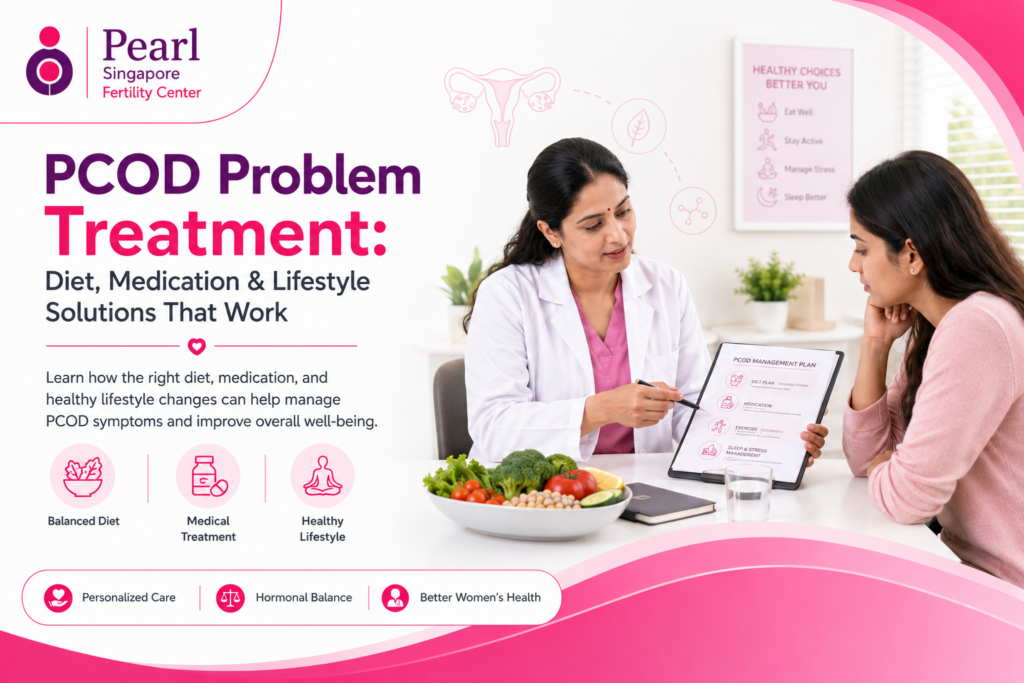
Polycystic Ovarian Disease (PCOD) is one of the most common hormonal disorders affecting women of reproductive age. Millions of women with PCOD experience symptoms such as irregular periods, weight gain, acne, excessive hair growth, and fertility challenges. While the condition can be frustrating and sometimes challenging to manage, the good news is that effective PCOD problem treatment options are available. With the right combination of diet, medication, and lifestyle changes, many women successfully manage their symptoms and improve their overall health.
PCOD occurs when eggs do not mature or release properly from the ovaries, causing small cysts to form and disrupting hormonal and reproductive health. Although there is no permanent cure for PCOD, proper lifestyle management can help control symptoms, regulate menstrual cycles, and reduce the risk of long-term complications such as diabetes, obesity, and cardiovascular disease.
This guide covers the most effective PCOD problem treatment options, including dietary changes, medications, and lifestyle solutions that have been proven to work.
PCOD (Polycystic Ovarian Disease)
PCOD occurs when hormonal imbalances affect the normal development and release of eggs from the ovaries. As a result, immature eggs may accumulate in the ovaries and form multiple small cysts. This can disrupt menstrual cycles, fertility, and overall reproductive health.
Common symptoms of PCOD include:
- Irregular or missed periods
- Weight gain, especially around the abdomen
- Acne and oily skin
- Excessive facial or body hair
- Hair thinning or hair loss
- Difficulty getting pregnant
- Darkening of the skin around the neck or underarms
- Mood swings and fatigue
The exact cause of PCOD is not fully known, but factors such as genetics, insulin resistance, inflammation, and lifestyle habits are believed to play significant roles. Identifying these factors early can help women choose the most effective PCOD problem treatment management plan and reduce the risk of complications.
Why Early Treatment Matters
Many women ignore the early signs of PCOD, assuming that irregular periods or acne are temporary issues. However, untreated PCOD can lead to several health complications, including:
- Infertility
- Type 2 diabetes
- High blood pressure
- High cholesterol
- Sleep apnea
- Endometrial problems
- Increased risk of heart disease
Early diagnosis and treatment can significantly improve symptom management and help prevent these long-term health risks. This forms the basis of an effective PCOD problem treatment plan that supports long-term hormonal and overall health.
Diet for PCOD Management
Diet is one of the most effective ways to manage PCOD. Since insulin resistance is common among women with PCOD, making healthier food choices can help balance hormones and improve symptoms.
First and Foremost, Thing to Do: Stay Hydrated
Proper hydration supports metabolism, digestion, and overall health.
Aim to:
- Drink 2–3 liters of water daily
- Avoid high sugar drinks
- Reduce excessive caffeine consumption
Hydration also helps reduce bloating and improve energy levels.
Below are some dietary recommendations for women with PCOD
| Dietary Recommendation | Why It Helps | Foods to Include / Avoid | Additional Benefits |
| Focus on Low Glycemic Index Foods | Foods with a low glycemic index (GI) help maintain stable blood sugar levels and improve insulin sensitivity. | Low Glycemic Index Foods: Oat, brown rice, quinoa, whole wheat products, lentils, chickpeas and beans, sweet potatoes | These foods release energy slowly, reducing insulin spikes that can worsen PCOD symptoms. |
| Increase Protein Intake | Protein helps regulate blood sugar levels and keeps you feeling full for longer. | High-Protein Foods: eggs, fish, chicken breast, paneer, greek yogurt, lentils, nuts and seeds | A protein-rich diet can help support weight management, which is particularly beneficial for women with PCOD. |
| Eat More Fiber | Fiber improves digestion and helps control insulin levels. | High-Fiber Foods: Vegetables, fruits, whole grains, chia seeds, flaxseeds, legumes | Fiber also promotes satiety and can help reduce unhealthy snacking. |
| Choose Healthy Fats | Healthy fats help reduce inflammation and support hormone production and overall metabolic health. | Healthy Fats: Avocados, olive oil, nuts, seeds, fatty fish such as salmon and sardines | Avoid trans fats and highly processed foods that can contribute to inflammation. |
| Reduce Sugar and Refined Carbohydrates | Excess sugar and refined carbohydrates can cause blood sugar spikes and worsen insulin resistance. | Avoid: Sugary beverages, cakes and pastries, white bread, white rice, processed snacks, candy and sweets | Reducing sugar intake can improve insulin sensitivity and support weight loss efforts. |
Following these dietary recommendations consistently can play a vital role in PCOD problem treatment, helping to improve hormonal balance, manage symptoms, support healthy weight management, and enhance overall reproductive health.
Best Foods for Women with PCOD
A healthy diet plays a key role in PCOD problem treatment by helping to balance hormones, improve insulin sensitivity, and manage symptoms. Including nutrient-rich foods in daily meals can support better overall and reproductive health.
| Meal | PCOD- Friendly Food Options |
| Breakfast | 1. Oatmeal with nuts and berries
2. Vegetable omelet 3. Greek yogurt with seeds |
| Lunch | 1. Baked fish with steamed vegetables
2. Quinoa salad 3. Stir-fried tofu and vegetables |
| Dinner | 1. Millet (ragi/bajra/jowar) roti with sabzi
2.Grilled paneer tikka with salad 3.Vegetable oats upma 4. Sprouts salad with chapati |
| Healthy Snacks | 1. Almonds
2. Walnuts 3. Fruits 4. Roasted chickpeas 5. Yogurt |
Medications Used for PCOD Problem Treatment
While lifestyle changes are essential for PCOD problem treatment ,medications may also be recommended depending on individual symptoms and treatment goals.
Oral Contraceptive Pills
Birth control pills are commonly prescribed to:
- Regulate menstrual cycles
- Reduce androgen levels
- Improve acne
- Decrease excessive hair growth
These medications help restore hormonal balance and provide symptom relief for many women.
Metformin
Metformin is often prescribed for women with insulin resistance.
Benefits include:
- Improved insulin sensitivity
- Better blood sugar control
- Support for weight management
- More regular menstrual cycles
Metformin may also improve ovulation in some women.
Ovulation-Inducing Medications
Women trying to conceive may be prescribed medications that stimulate ovulation.
These treatments can help:
- Promote egg release
- Improve fertility
- Increase the chances of pregnancy
Fertility treatments should always be supervised by a qualified healthcare professional.
Anti-Androgen Medications
For women experiencing excessive facial hair, acne, or hair loss, anti-androgen medications may help reduce the effects of elevated male hormones. These medications are often combined with other treatments for better results.
Acne Treatments
Depending on the severity of acne, doctors may recommend:
- Topical creams
- Prescription medications
- Hormonal treatments
Improved hormone balance often leads to clearer skin over time.
When prescribed appropriately and combined with healthy lifestyle habits, these medications can play an important role in PCOD problem treatment , helping women manage symptoms, improve hormonal balance, and achieve their health and fertility goals.
Lifestyle Solutions That Work
Lifestyle changes are a key part of PCOD problem treatment and can have a significant impact on hormone balance, insulin sensitivity, and overall well-being. In many cases, healthy daily habits such as maintaining a healthy weight, exercising regularly, getting adequate sleep, and managing stress can help reduce symptoms and improve long-term health outcomes.
The following lifestyle changes are widely recommended to support effective PCOD management.
Maintain a Healthy Weight
Even a modest weight loss of 5–10% can significantly improve PCOD symptoms.
Benefits include:
- Better hormone balance
- Improved ovulation
- More regular periods
- Reduced insulin resistance
Weight management should focus on sustainable habits rather than crash diets.
Exercise Regularly
Physical activity improves insulin sensitivity and supports hormonal health. Recommended activities include:
| Cardio Exercises | Strength Training | Mind- Body Activities |
| ● Walking
● Running ● Cycling ● Swimming |
● Weight lifting
● Resistance band workouts ● Bodyweight exercises |
● Yoga
● Pilates ● Stretching exercises |
Prioritize Sleep
Poor sleep can worsen hormonal imbalances and insulin resistance.
Healthy sleep habits include:
- Sleeping 7–9 hours per night
- Maintaining a regular sleep schedule
- Limiting screen time before bed
- Creating a relaxing bedtime routine
Quality sleep supports better hormone regulation and overall well-being.
Manage Stress Effectively
Chronic stress can increase cortisol levels and worsen PCOD symptoms.
Helpful stress-management techniques include:
- Meditation
- Deep breathing exercises
- Yoga
- Journaling
- Spending time outdoors
- Engaging in hobbies
Reducing stress can have a positive impact on both physical and emotional health.
Managing Fertility Challenges Caused by PCOD
Many women with PCOD worry that the condition may affect their chances of conceiving. While PCOD can affect ovulation, achieving pregnancy with PCOD is possible for many women with proper treatment and medical guidance.
Key ways for improving fertility include:
- Weight management
- Balanced nutrition
- Regular exercise
- Ovulation-inducing medications
- Fertility treatments when necessary
Early treatment and the right approach to pregnancy with PCOD often lead to better reproductive outcomes and increased chances of conception.
Creating a Long-Term PCOD Management Plan
Successful PCOD problem treatment typically combines multiple approaches:
- Regular medical monitoring
- A balanced, nutrient-rich diet
- Consistent physical activity
- Weight management
- Stress reduction
- Quality sleep
- Appropriate medications when needed
Women who adopt these lifestyle changes often experience significant improvements in symptoms, hormonal balance, and overall quality of life. When combined with appropriate medical care, advanced PCOD treatment and personalized hormonal disorder treatment approaches can further enhance symptom management and support long-term health outcomes.
How to Choose the Best Hospital for PCOD Treatment
Choosing the right hospital for PCOD problem treatment can help you manage symptoms more effectively and achieve better long-term health outcomes. Look for a hospital with experienced gynecologists, advanced diagnostic facilities, and comprehensive PCOD problem treatment options that include medication, diet counseling, and lifestyle management.
The best hospital for PCOD problem treatment should also offer personalized care, regular follow-ups, and fertility support if needed. Reading patient reviews and checking the hospital’s success in providing PCOD problem treatment can help you make an informed decision.
A hospital that combines expert medical care with nutrition guidance and lifestyle support can provide more effective PCOD problem treatment helping improve hormonal balance, menstrual health, fertility, and overall well-being.
Struggling with PCOD symptoms?
Consult the specialists at PSFC for perFsonalized PCOD problem treatment and long-term hormonal wellness.
Key Takeaways
- Early diagnosis and proper PCOD problem treatment can help prevent complications such as infertility, diabetes, and heart disease.
- A balanced diet rich in low-GI foods, protein, fiber, and healthy fats plays a major role in managing PCOD symptoms.
- Medications such as oral contraceptives, Metformin, and ovulation-inducing drugs can support effective PCOD problem treatment based on individual needs.
- Regular exercise, healthy weight management, quality sleep, and stress control are essential lifestyle solutions for long-term PCOD management.
- Combining medical care, nutrition, and lifestyle changes offers the most effective approach to PCOD problem treatment and overall hormonal health.
FAQs
What is the most effective PCOD Problem Treatment?
The most effective PCOD problem treatment usually combines a healthy diet, regular exercise, weight management, stress reduction, and medications when prescribed by a doctor.
Can PCOD problem treatment help regulate irregular periods?
Yes. Proper PCOD problem treatment can help balance hormones, improve ovulation, and regulate menstrual cycles over time.
Is weight loss important in PCOD problem treatment ?
Weight management is often a key part of PCOD problem treatment as even a small reduction in body weight can improve symptoms and insulin sensitivity.
Are medications necessary for PCOD problem treatment ?
Not always. While lifestyle changes are the foundation of PCOD problem treatment , some women may require medications to manage symptoms, insulin resistance, or fertility concerns.
Where should I seek PCOD problem treatment ?
For the best PCOD problem treatment , choose a hospital or clinic with experienced gynecologists, advanced diagnostic facilities, and comprehensive care that includes medical, nutritional, and lifestyle support.
